10 June 2026
Singing to the River
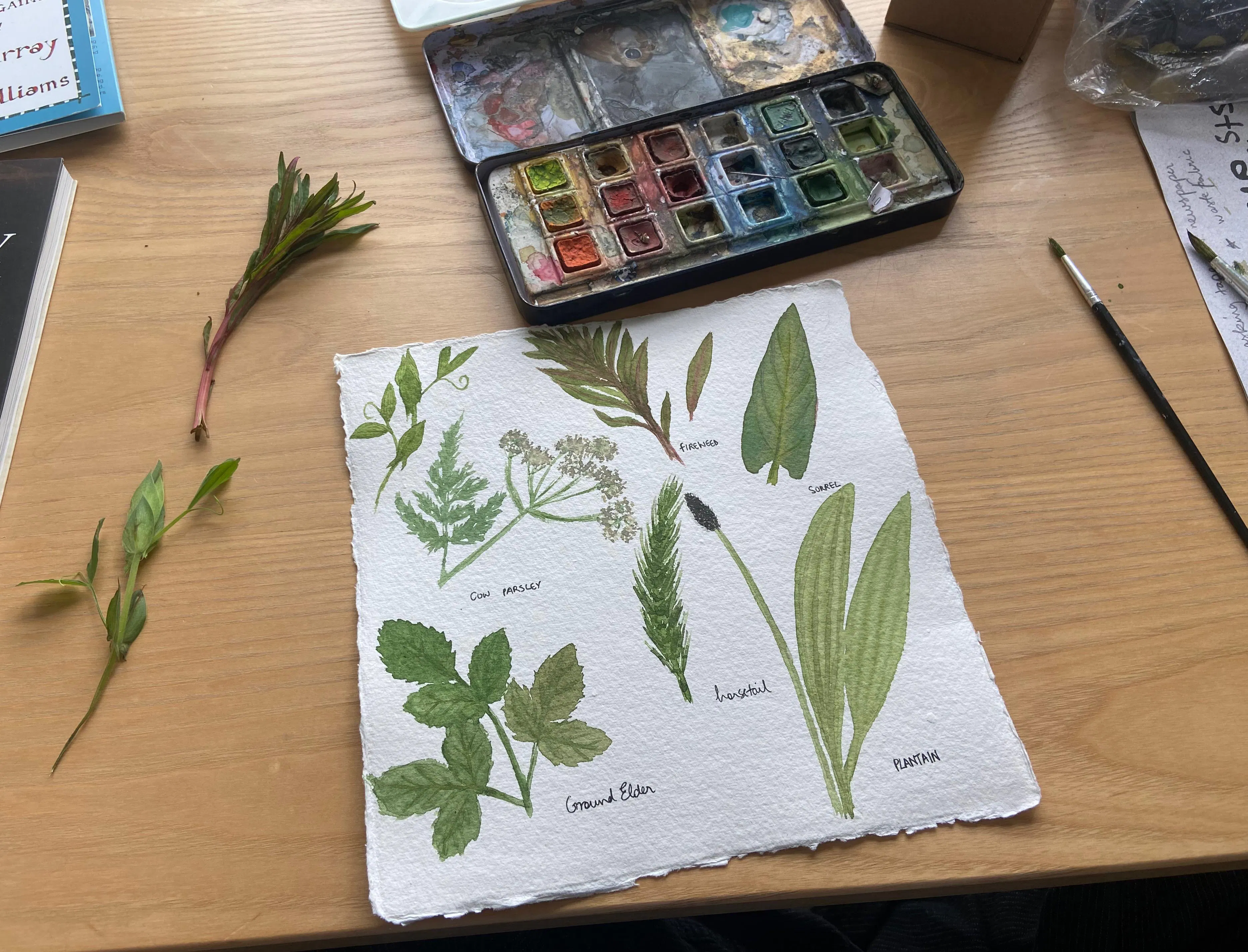
it’s just about been 3 weeks since I arrived in Huntly and its people’s warmth has grown into a familiarity that makes these weeks feel much fragmented and distorted in time, much like the curiosities that are leading my process here at Deveron Projects.
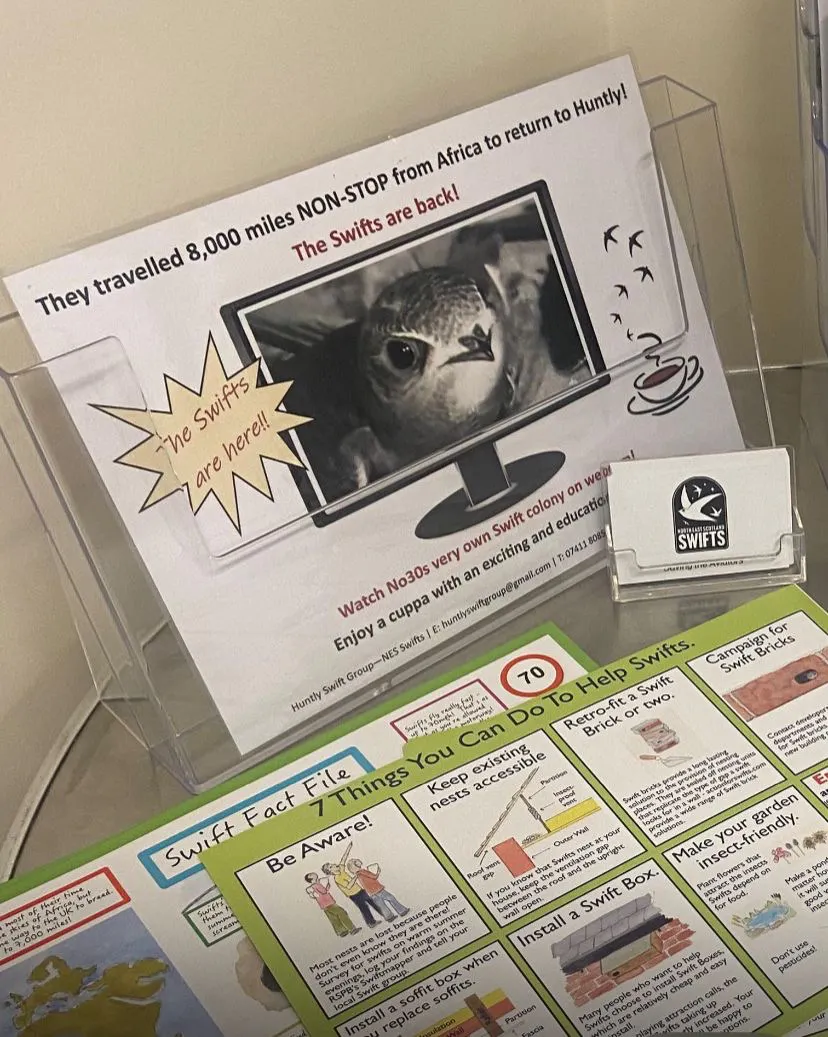
With the swift (big welcome to the swifts arriving in Huntly from Africa) support of the team here, I’ve been building connections with foragers, carers, crafters, and singers.
Some of the many integral workers, workers that are time keepers in my eyes, those that bend time, and in many ways also reflect the fragmented nature of time on these landscapes.
Cities are often built on a linearity of time that is extractive, making the most of the day. But here nature seeps into the cracks of this timeline and bends it, demands our presence. The weather keeps shifting, from sunny to rain, and our presence in it, regulated.
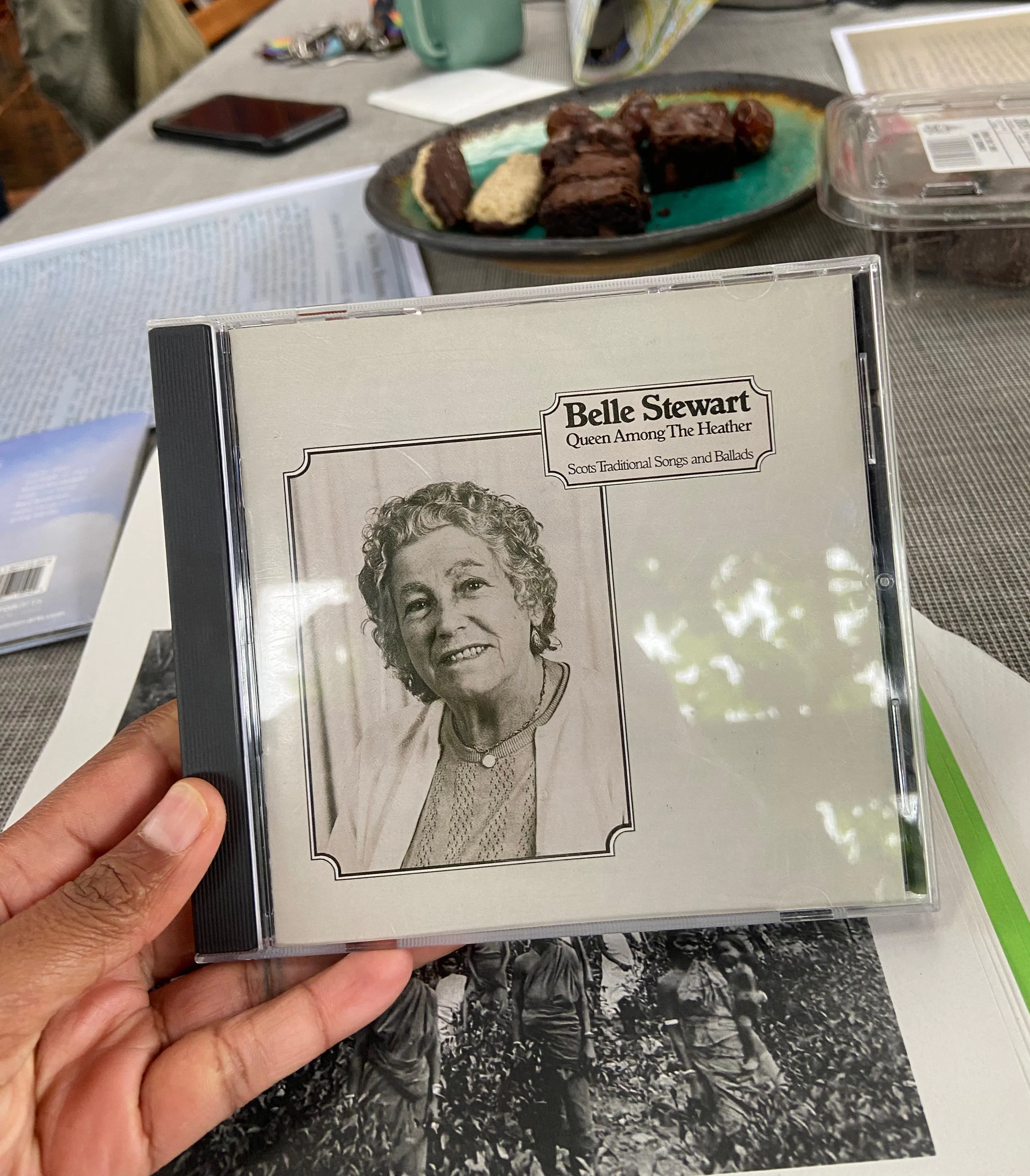
I’ve been trying to do my best to grasp at the vastness of the bothy ballads of the north east and their infinite wisdoms, with a particular interest in the way they reflect the workers, their stories, struggles, whisper networks of experiences on certain farms, songs of the weavers, the fisherman, the traveller communities, and many many more.
the song that tells us of the rebellion of a farmer against the national insurance tax and his cow that stood at the centre of it all.
These songs, testaments of living histories, and persisting melodies force me to think of my own practice of song writing and what i want to document as histories.
Radical solidarities, living on the tip of tongues, that one must grow up around until it becomes muscle memory.
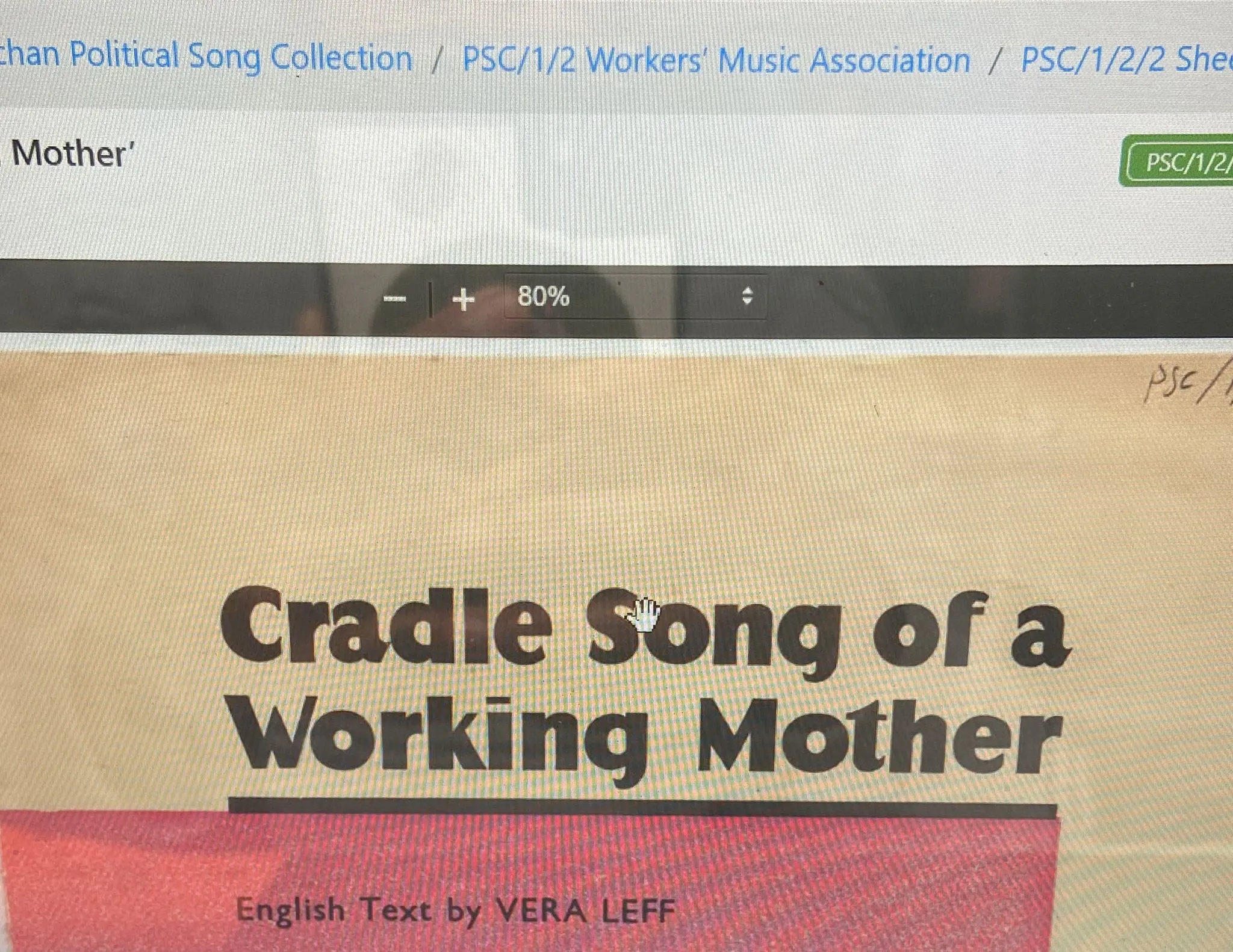
These ballads led me to more archives, more resources, led me to the collection of political songs by janey buchan and make me ask myself, What does it mean to sing radically, what is radical for most, for me, for you?
Singing badly, perhaps?
singing in a tongue, dialect, language, one doesn’t speak, perhaps?
Singing to the humming of murderous drones that surveil you, like Ahmed Muin Abu Amsha and the Gaza birds singing, perhaps?
Learning a song brought to you as a gift by someone, perhaps?
A means for getting to know someone, perhaps?
Singing badly while you work, singing of your work?
Humming to regulate your nervous system?
Singing in response to a singing songbird?
Singing to the river?
Singing so terribly that you defy all withstanding structures of classical music and song, perhaps?
What is radical, is subjective.
But singing, is a birthright.
whether good or bad is not up to us to decide.
This brings me back to time, language, muscle memory, and the tangibility of time when experiencing the knowledges shared by song keepers, singers, crafters, carers, and foragers.
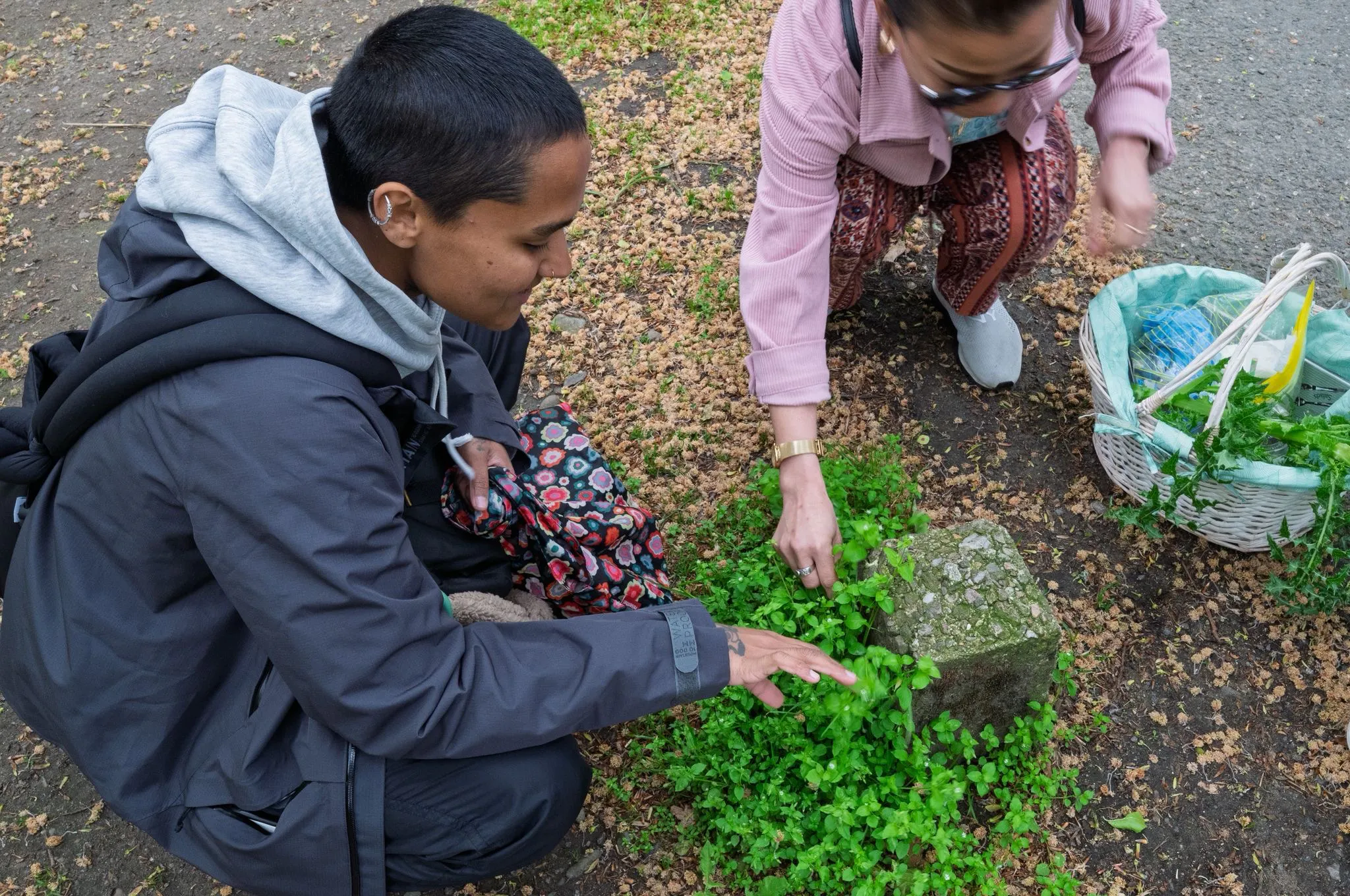
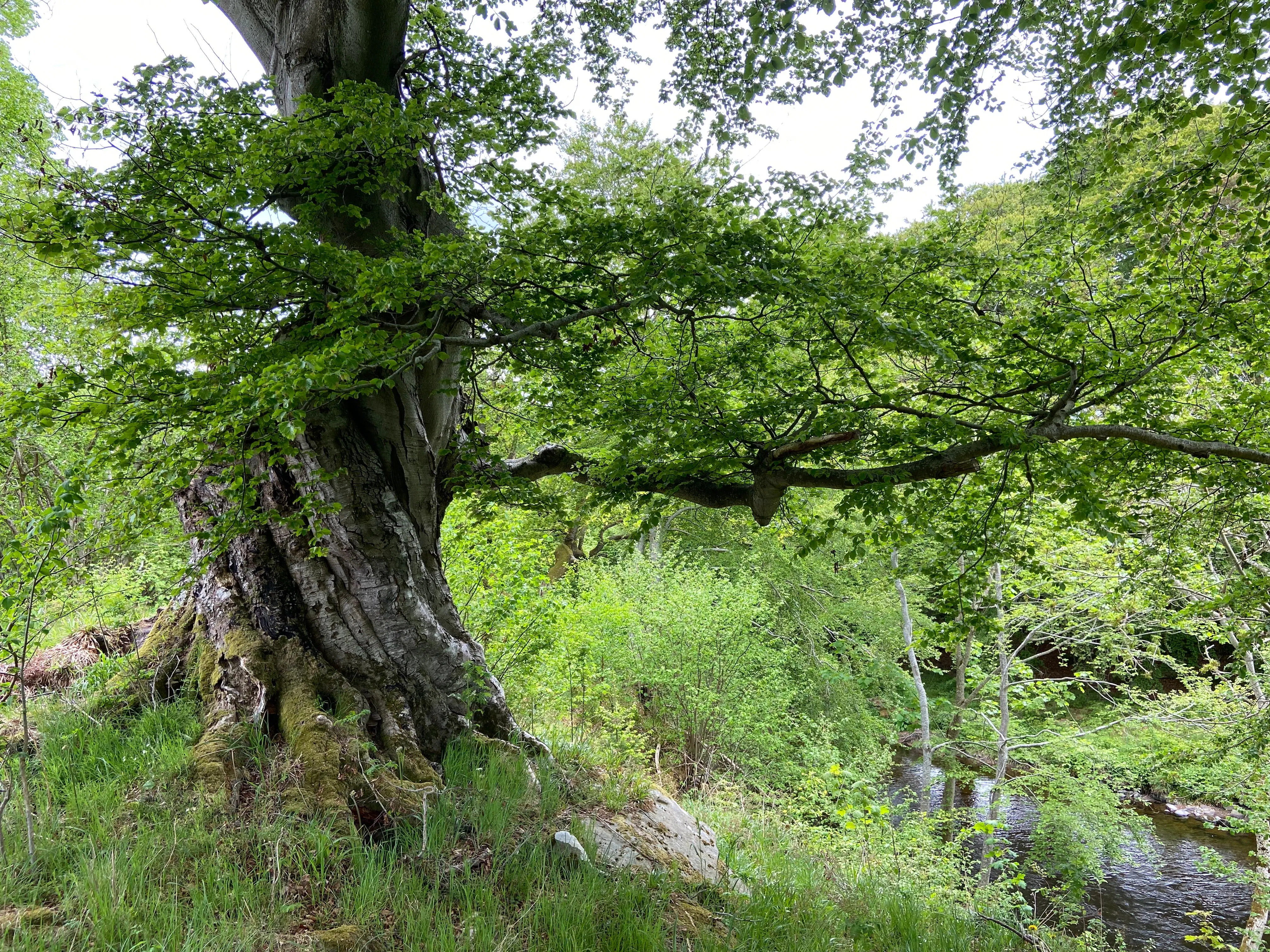
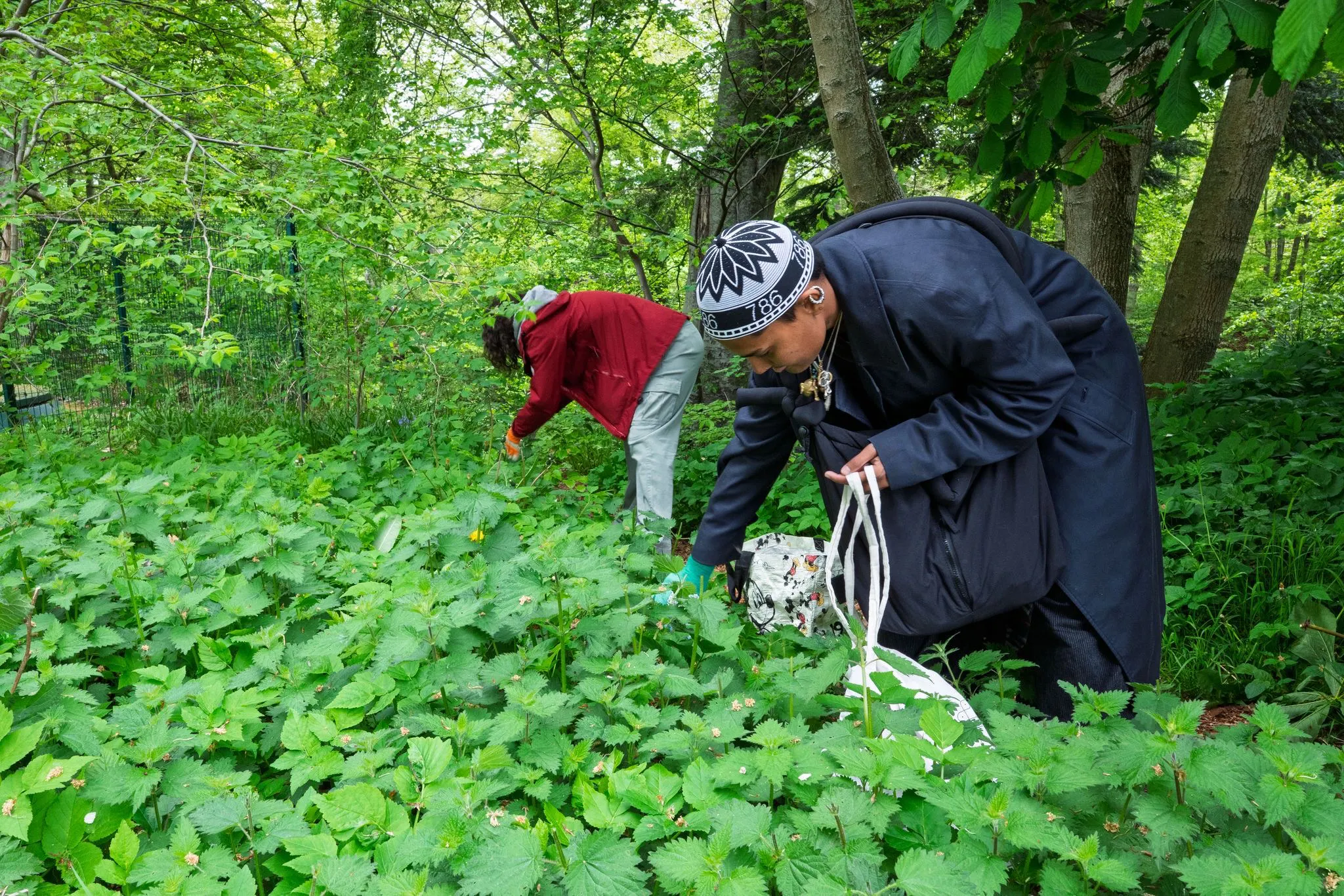
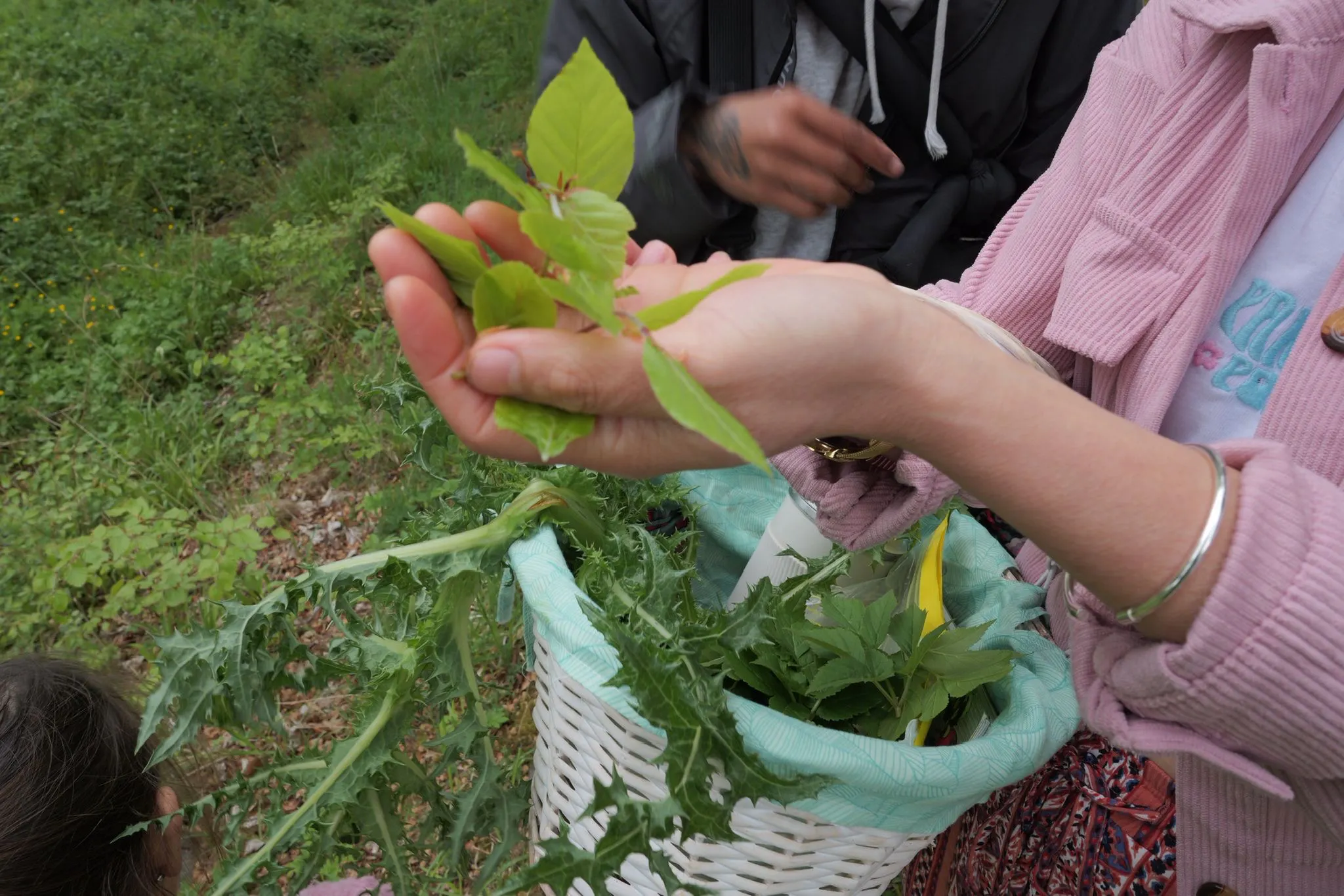
We can look at language as barrier, or language as bridge. When speaking to Trang, an avid and profoundly knowledgeable forager, and carer, I come to understand language as bridge. For her, her relationship to the plants of huntly was born from an isolation she experienced during the pandemic, when she very first moved here. When there were no friends she could share time with, the trees and plants became her friends. I see her generosity as a care giver and how integral she is to her network, reciprocated through the plants she picks, the ones that in turn nourish her. The care of a care worker reciprocated through her friendship with local plants. We spoke of the Vietnamese songs she loves to listen to, I shared with her mine. We walked along the river and greeted the trees we passed, she told me that in Vietnam it is believed that the trees have souls, I too believe this. We spoke of our childhood homes and how they’ve either ceased to exist in the way they once did because of the changing landscapes, rapid urbanisation, and how we often dream of those homes, stuck in that cherished time.
Foraging, frolicking, a language of its own, is a radical act of joy and nourishment that I see as bridge between people and nature.
And song, a testament that transcends our understanding of histories in strictly linear timelines. I see here in the bothy ballads, and folk songs elsewhere too, how melodies are recurring, and words ever changing. A song written to a melody decades ago, shared and adopted by a songwriter today, a different tale on a familiar tune. Breaking this linearity of western conceptions of time.
I can’t help but notice how craft, care and song, share a symbiotic relationship with time, and with each other. Inexplicably tied to labour, and resilience of a people. At their core lies a story urging attention, guiding a people, and demanding healthy interdependencies.
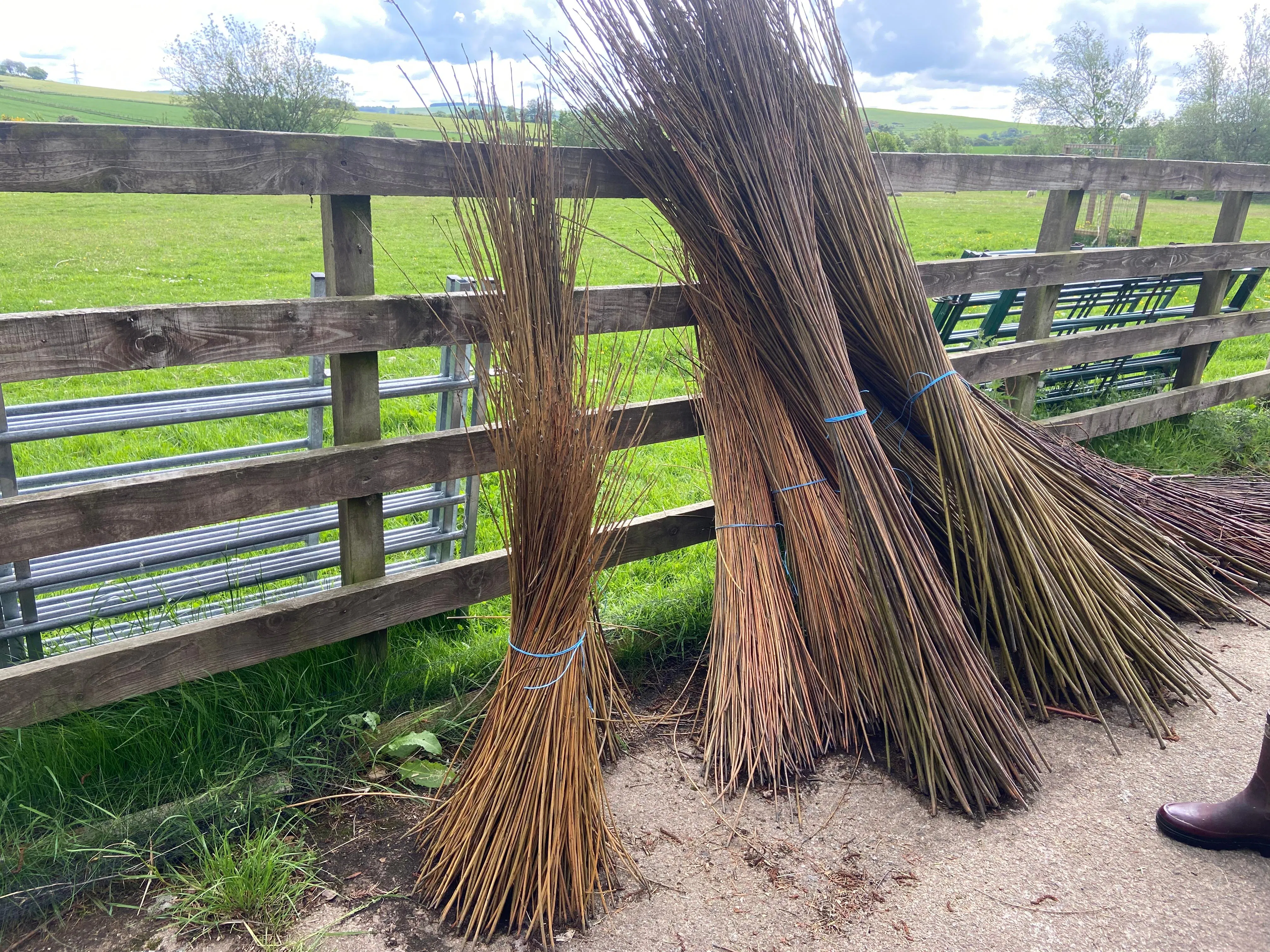
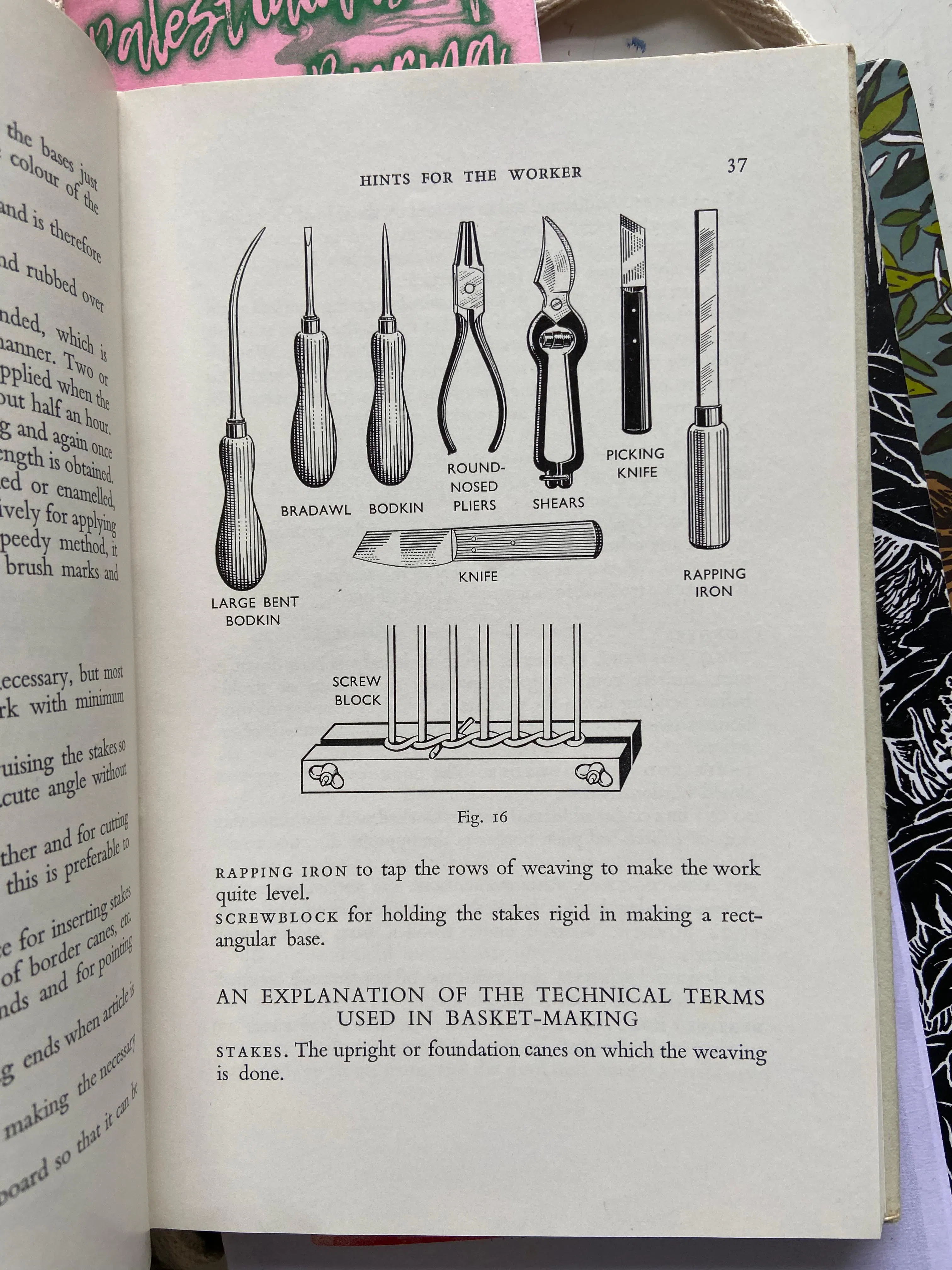
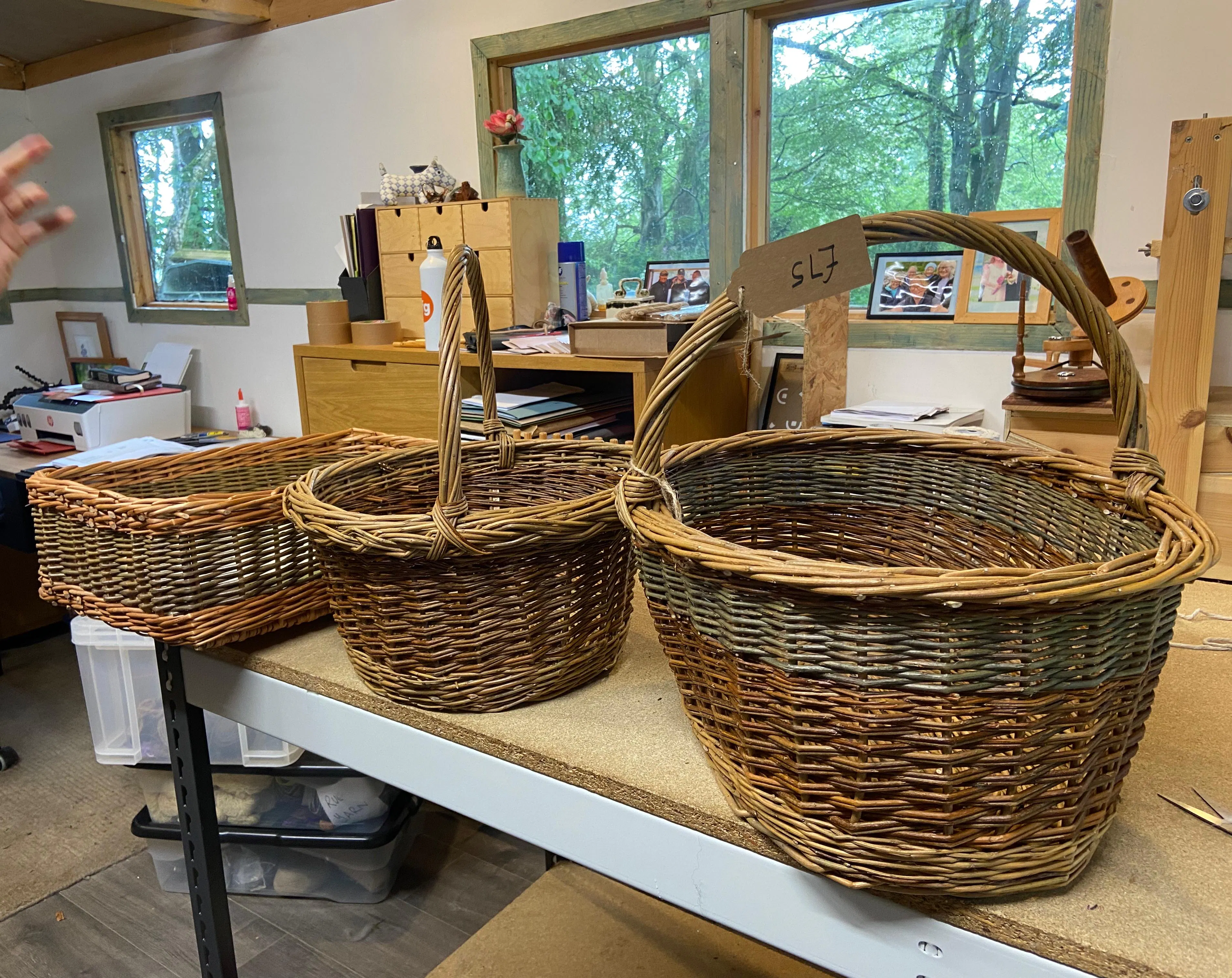
When we visited Frank and Marguerite at their farm, it was abundantly clear that a maker is shaped by passion, practice, and a defiance of enforced time. Marguerite works with wool, from her own sheep and shared wool from local farmers, and Frank with willow, primarily harvested from their willow farm and some bought varieties from others. Marguerite has a small network of interdependencies with local spinners, dyers, shearers, and makers. Listening to them both speak of their journeys with their respective materials, how their practices were shaped by the materials, over years and years of scattered, yet intentional knowledge building, practice and community, time truly does feel different.
Despite capitalist endeavours that have changed the course of making irreversibly, craft persists because we as beings, are attracted to the stillness that can be brought to time, when we practice crafts, when we learn a craft, when we try to better a craft.
there are many links that need mending, many stories that need re-telling, re-imagined to our current urgencies, and many carers that need caring. In my time here, through an already existing abundance in networks of crafters, singers and carers, I hope to bring together something that can also create a stillness in rushing times, songs that draw from familiarity, yet speak of current history, and more that i am still yet to learn.