Land Residency
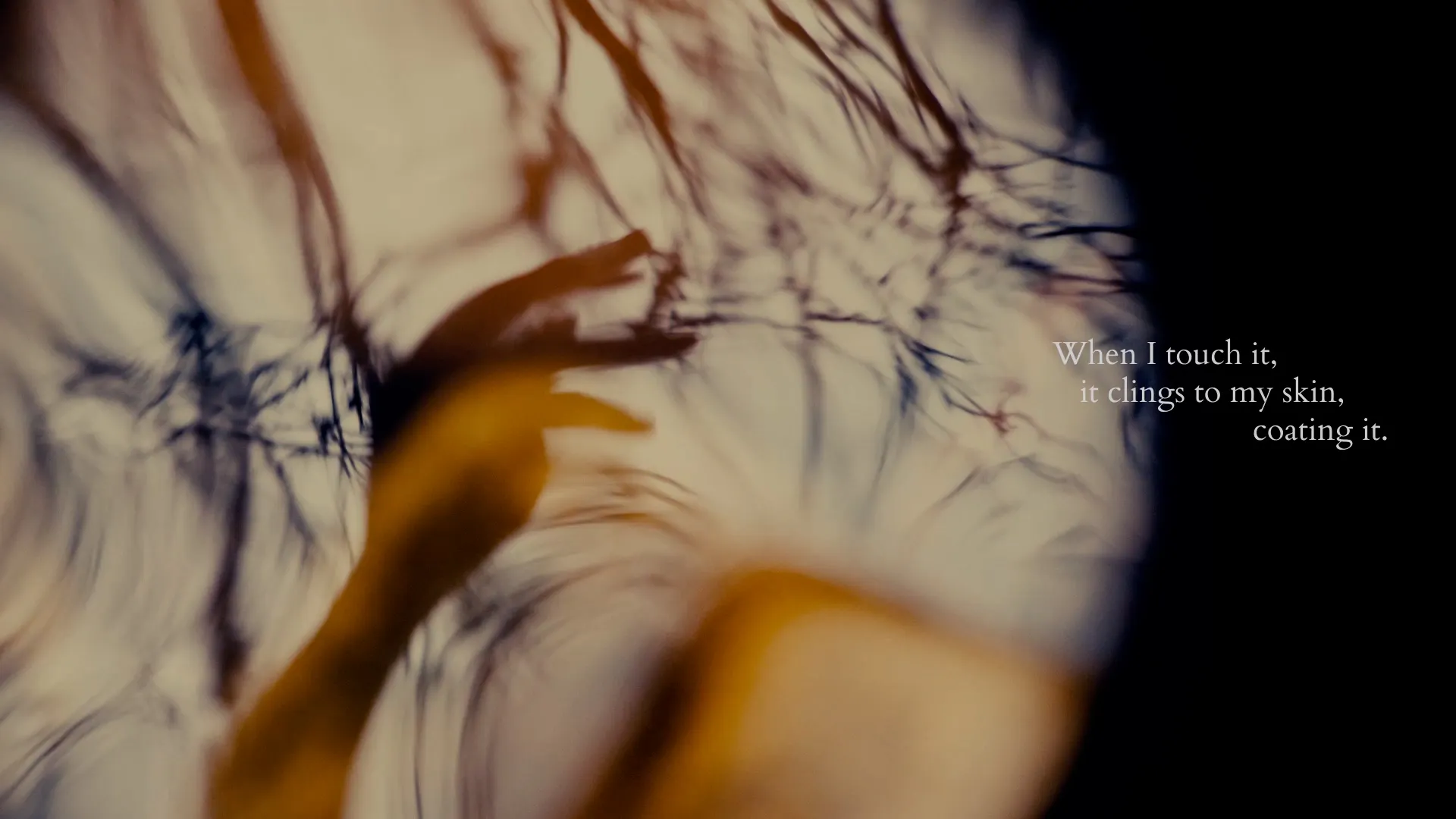
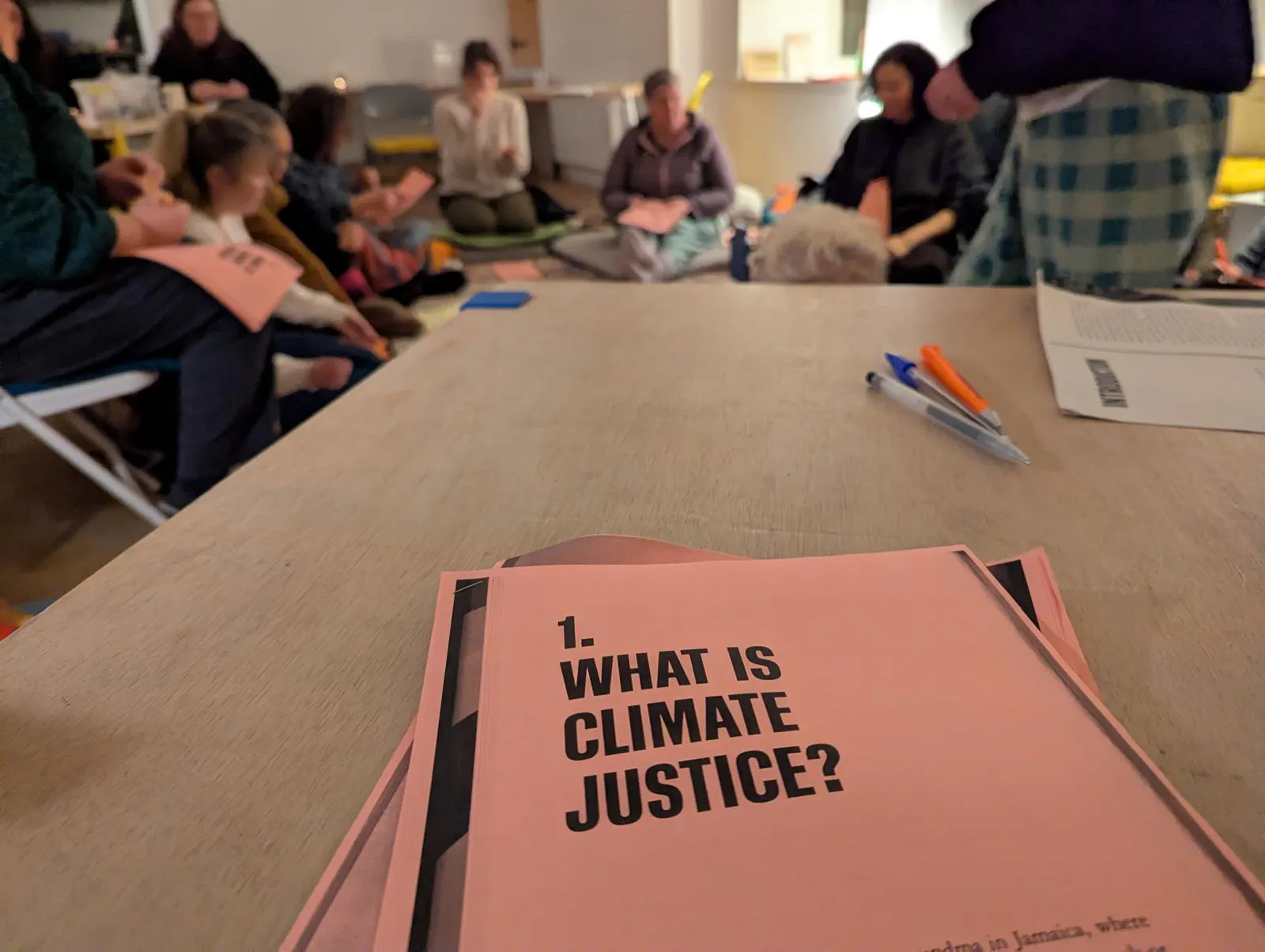
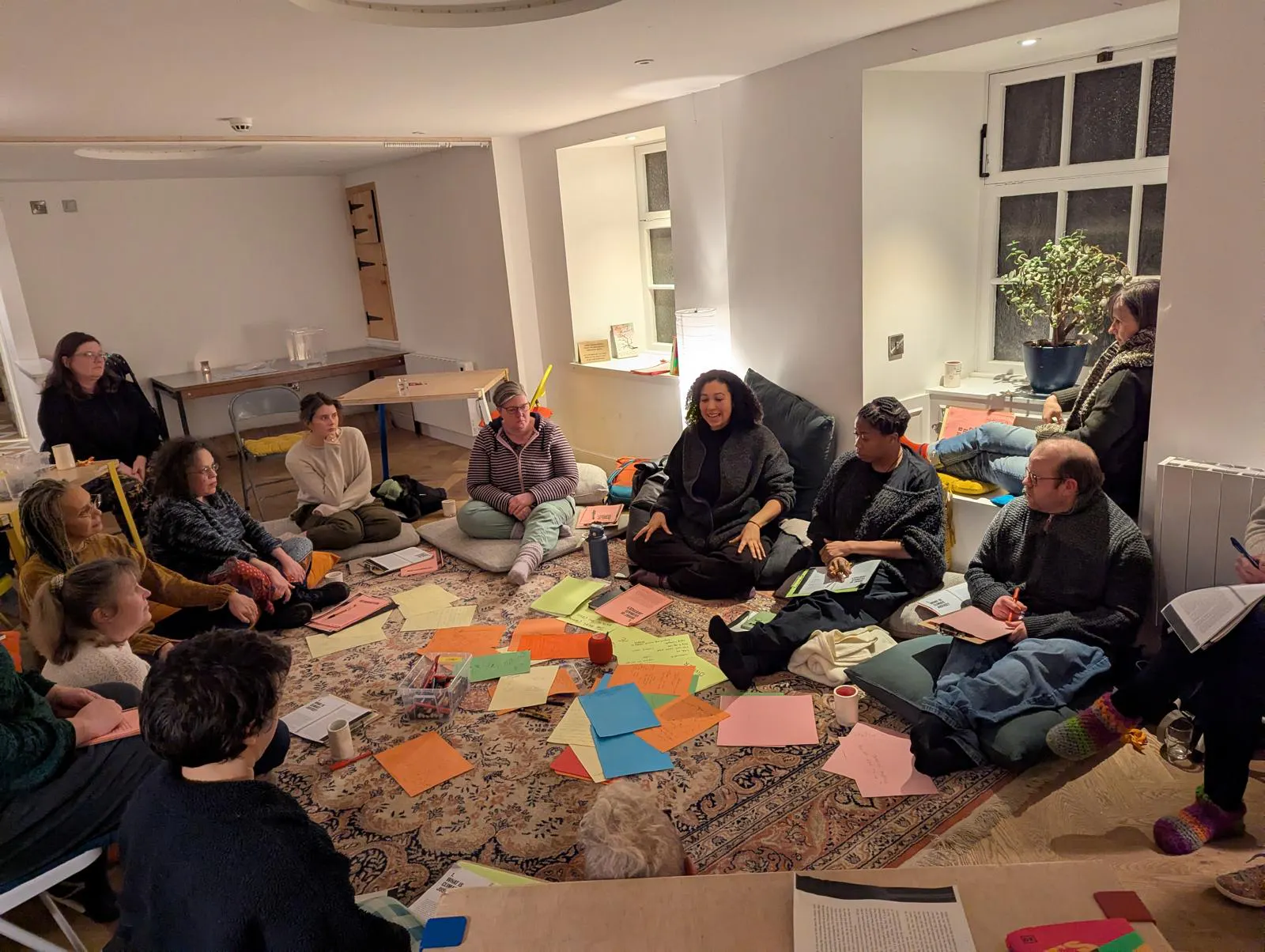
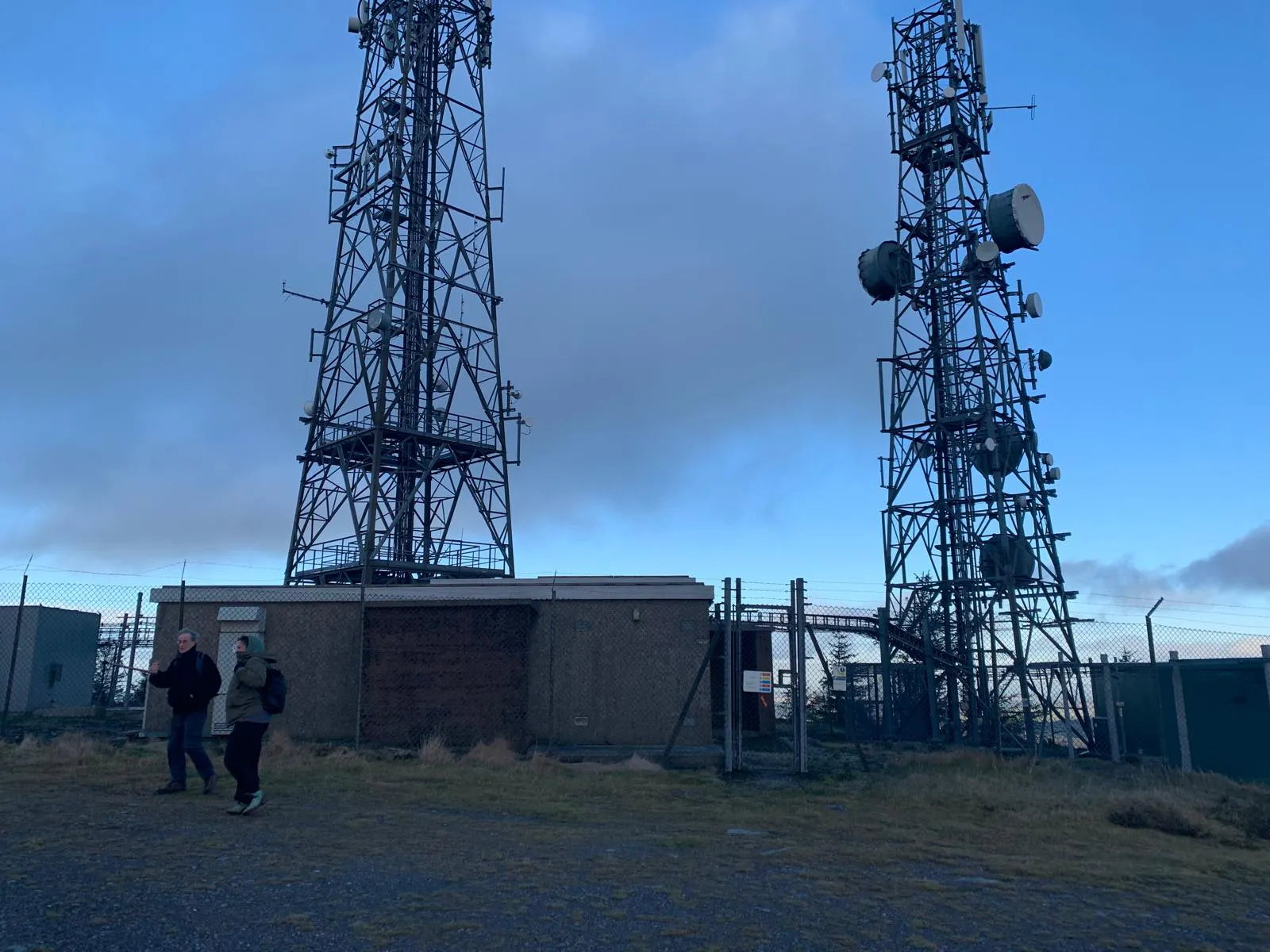
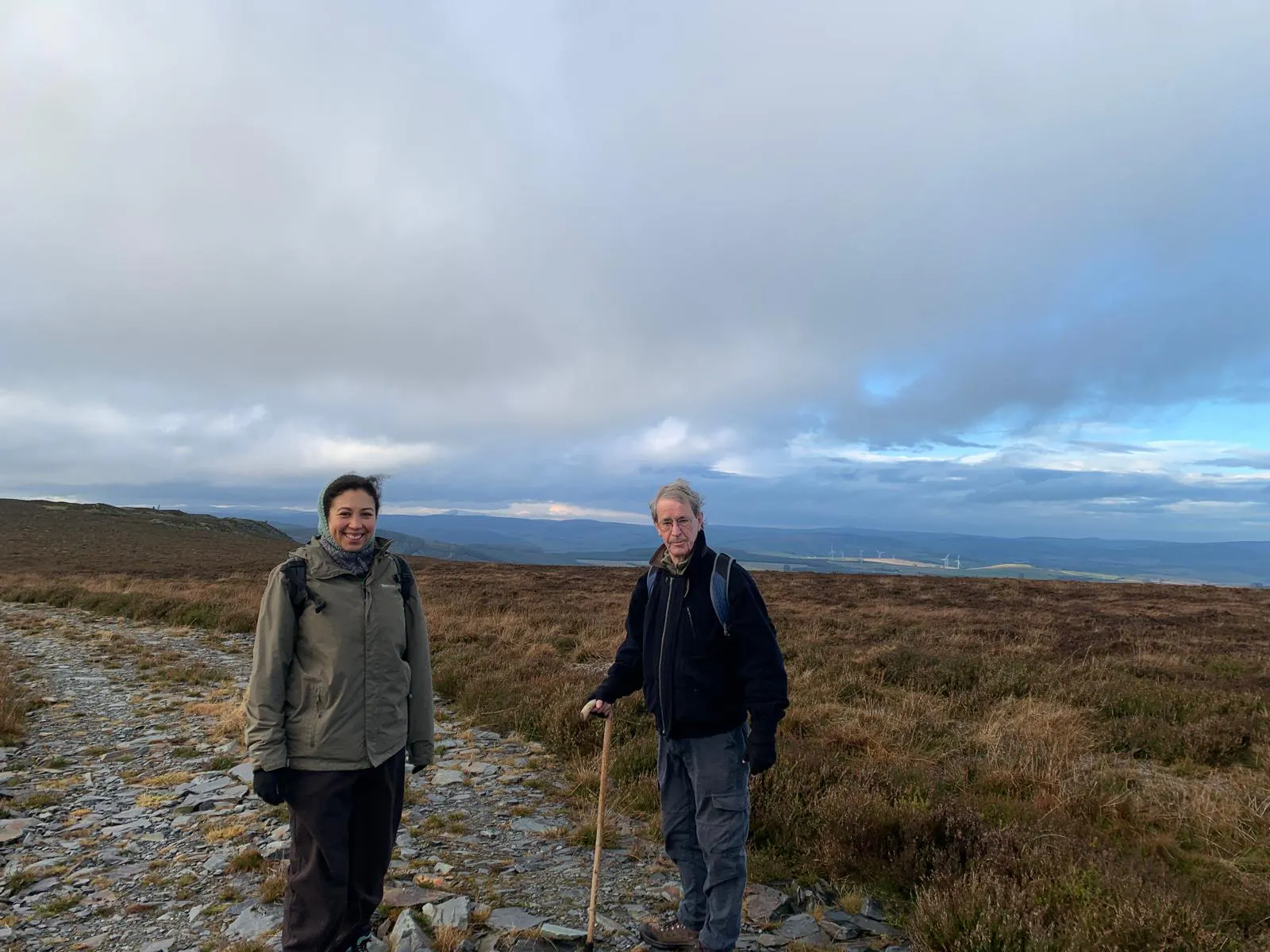
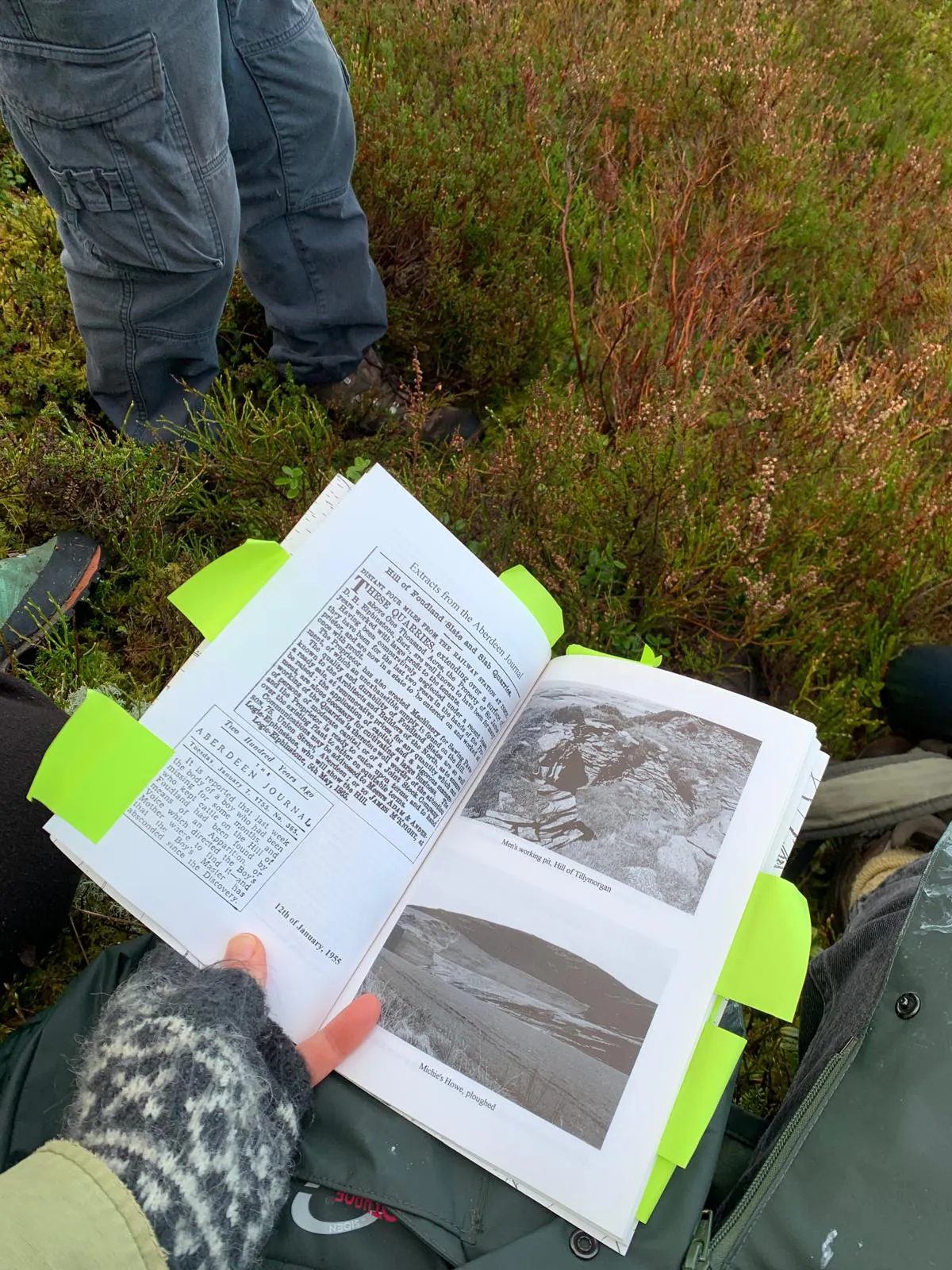
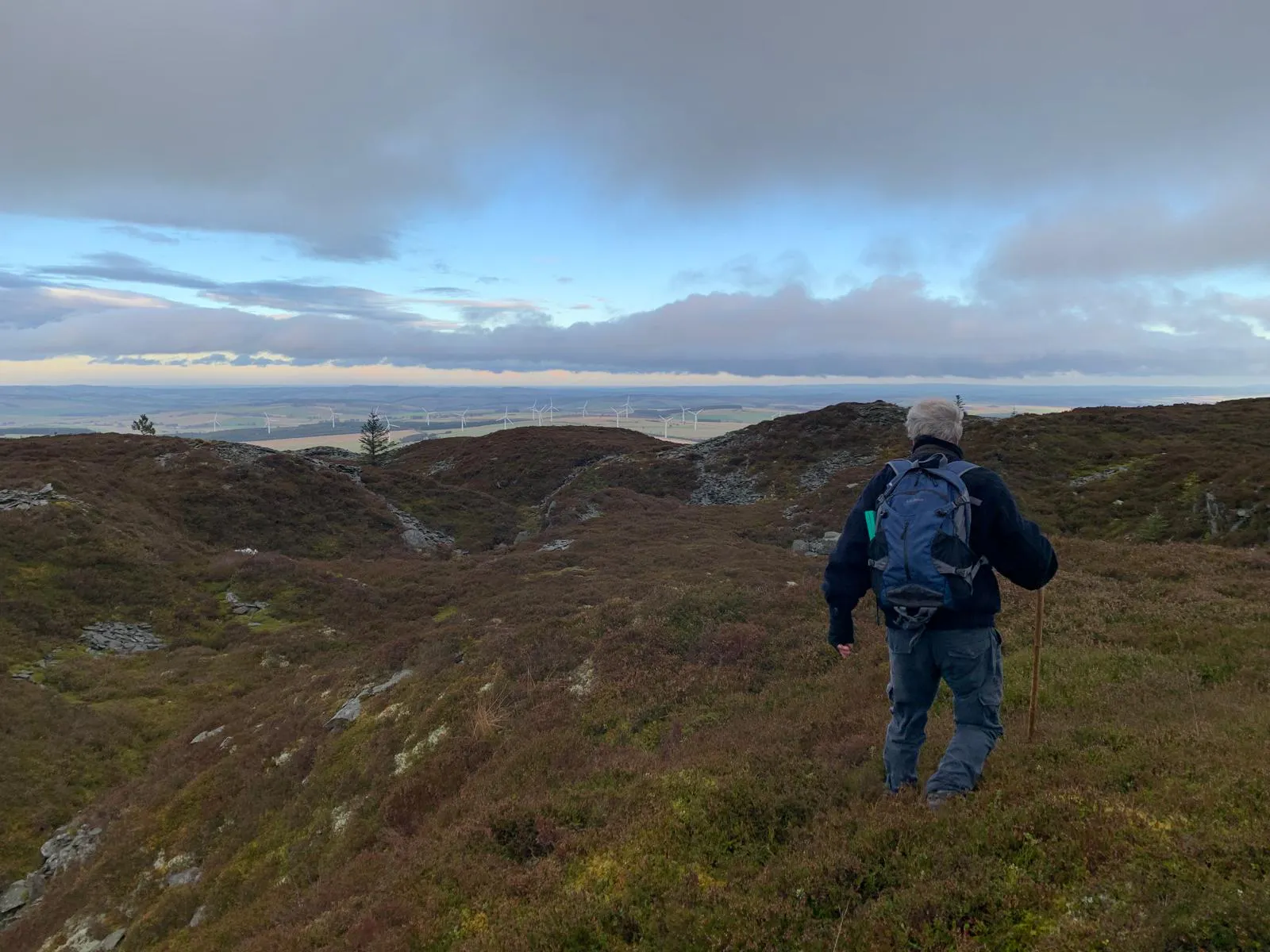
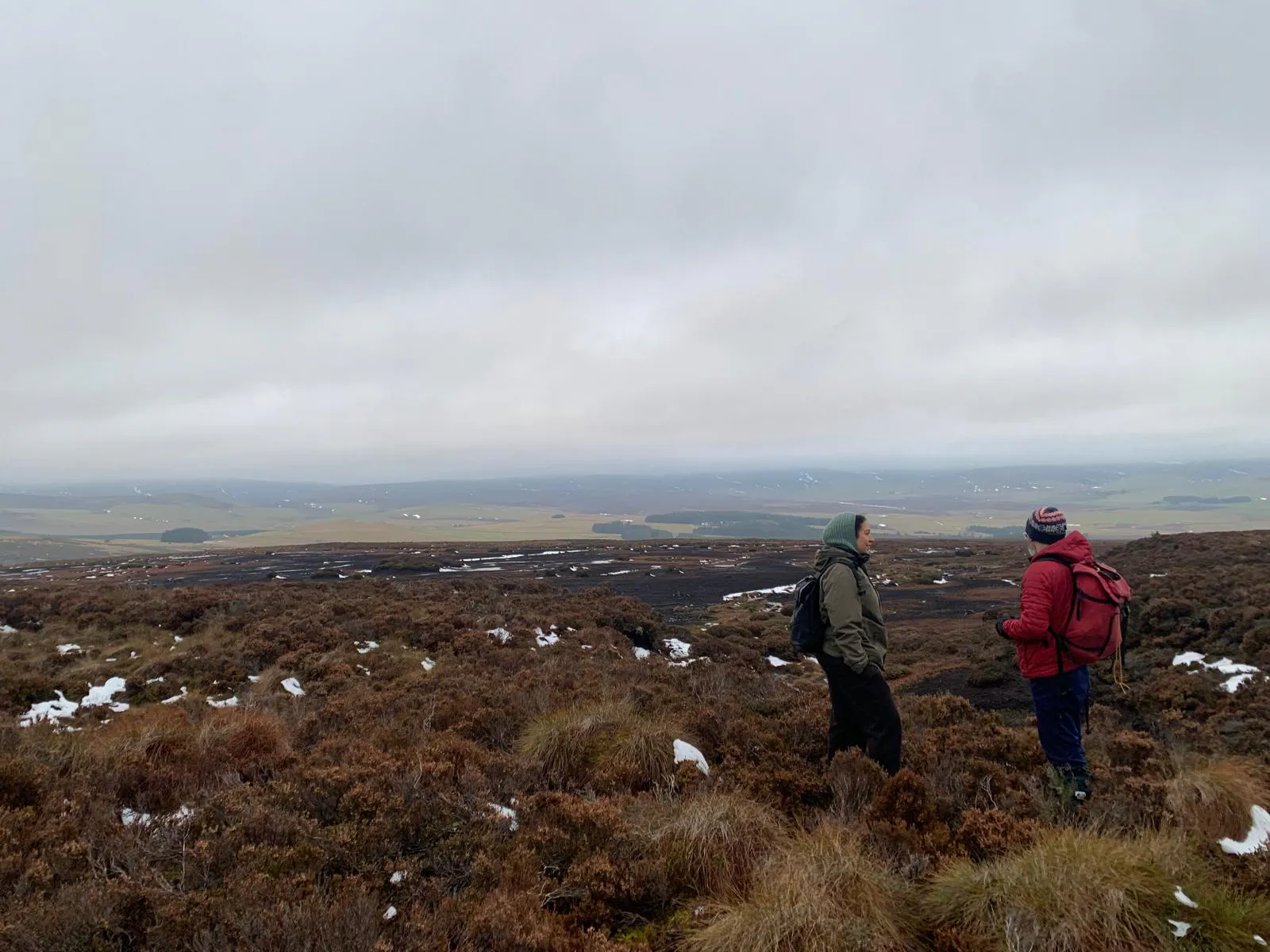
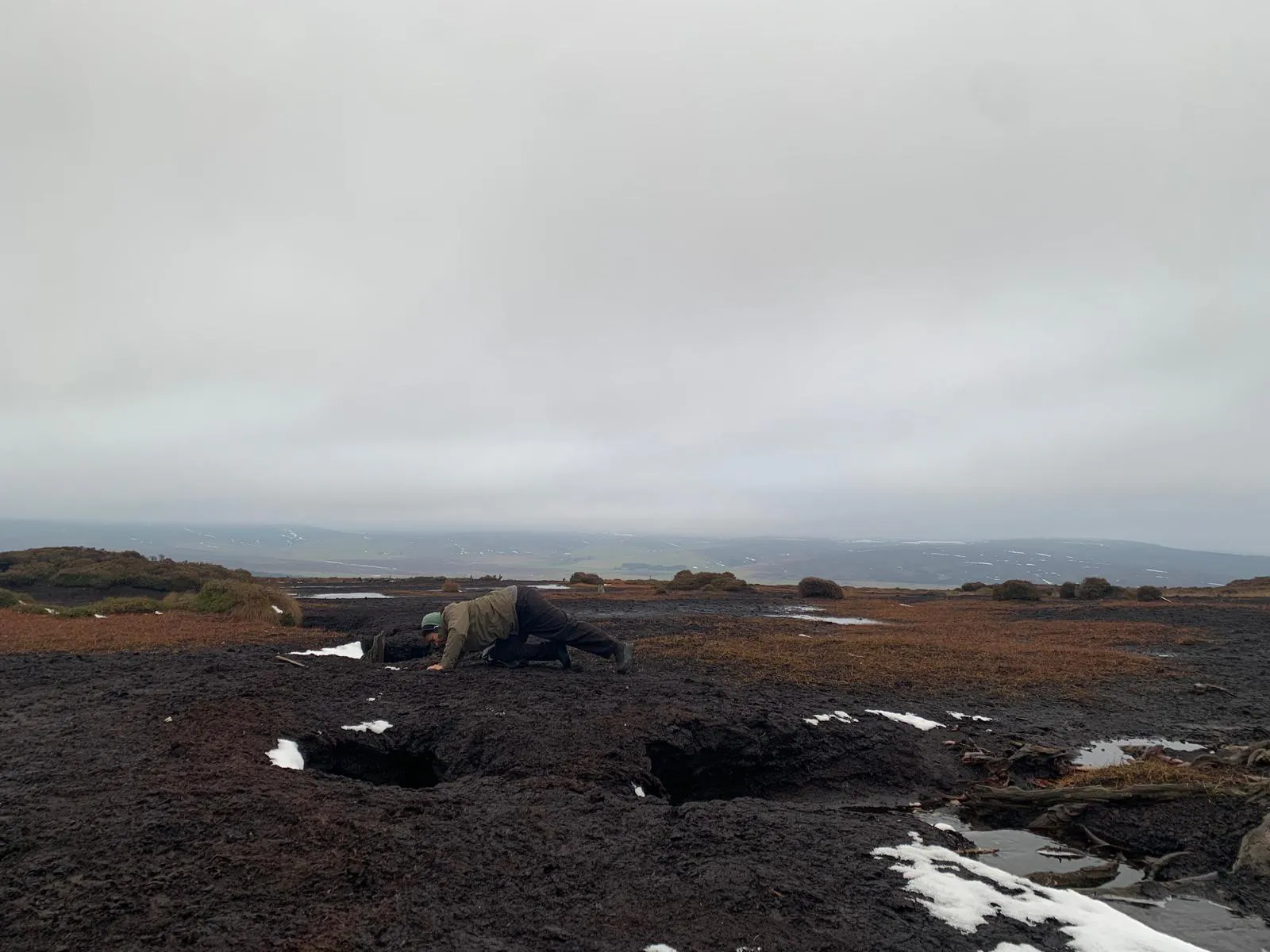
Over the next two years, artist Ashanti Harris will be joining communities in Huntly to develop new artwork rooted in land, energy, colonial histories/presents and grief.
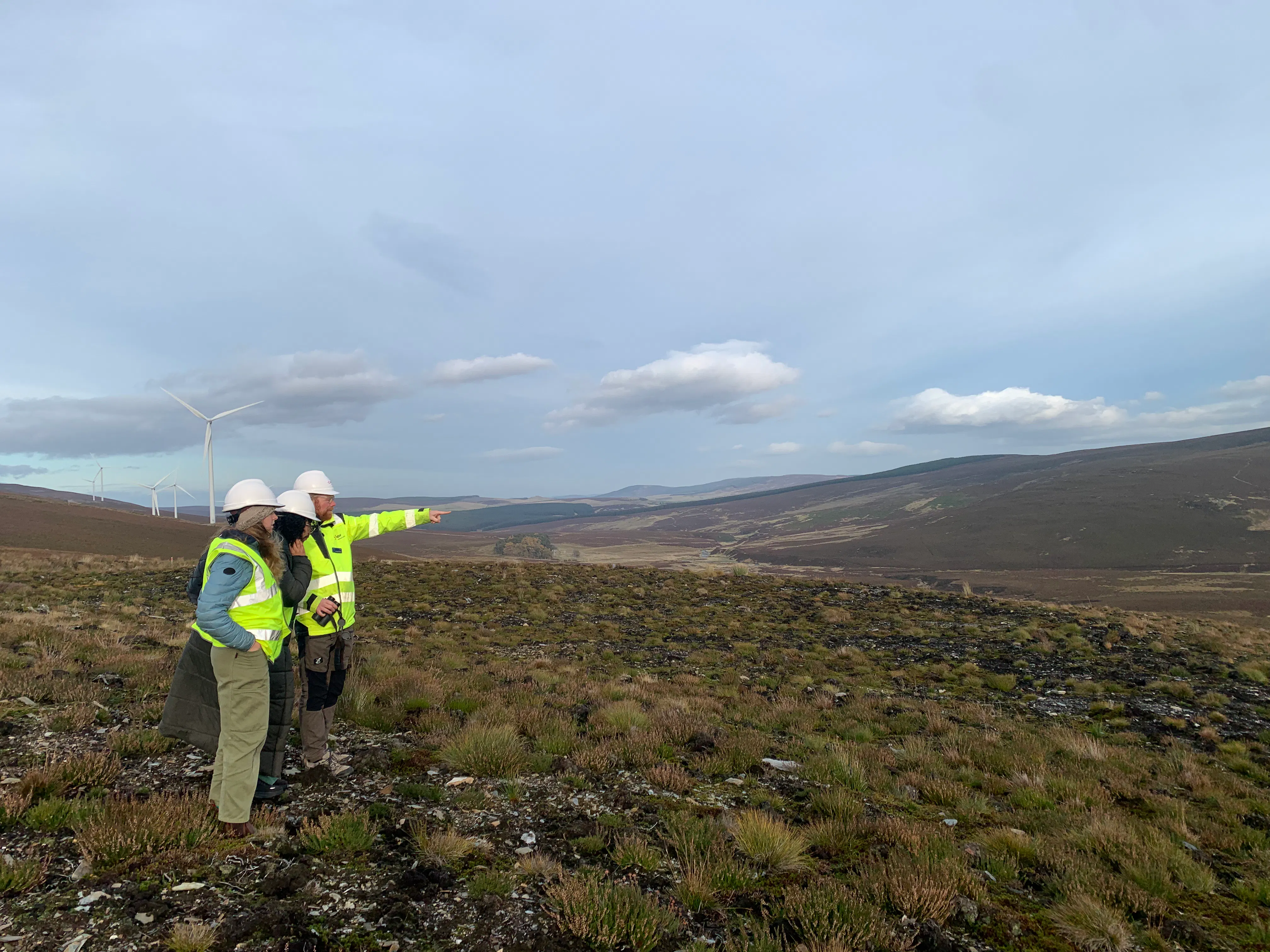
Like many rural places in Scotland, the landscape around our town has changed rapidly in recent decades as multinational companies have built windfarms on privately owned land. Accelerated by climate policy, land ownership models and dominant narratives of rural places, the mass development of windfarms in Aberdeenshire could be compared in scale and impact to the agricultural improvements in the 18th century.
And it’s complicated. Many acknowledge that turbines and wind energy remains essential to a Just Transition, yet recognise the unjust global systems of extraction, capitalism and colonialism the wind farms embody and replicate. The community benefit funds offered are significant investments for local communities, yet a drop in the ocean when overall profits from wind production are revealed. The environmental benefit of ‘clean energy’ is undeniable, yet the impact of the construction, production and running of the turbines and associated infrastructure is immense. The communities closest to the turbines experience noise and flickering, and witness disruption to ecological systems. Despite significant local energy production, the Rural Premium evidences that rural communities still pay the most for their energy. In the face of all of this, many people experience powerlessness and grief as beloved landscapes change beyond local control, and the turbines come to represent the existential reality of climate breakdown.
Ashanti’s practice pulls on the threads that connect people, places and systems, and traces their movements around the world. She works across mediums and artforms, including sculpture, performance and sound, facilitation, installation and writing. Over the past decade, she has had a particular focus on the connections between the north-east of Scotland and Guyana, which have intensified as oil producing sandstone was discovered in the region and Aberdeen was twinned with Georgetown, the capital. Through this work she has been researching and making work about the systems and structures that underpin the world’s energy systems, and connecting these with personal identities, cosmologies and histories.
This residency will unfold over two years. During this time, Ashanti will be working in Huntly regularly to build relationships with communities, people and places and follow the threads of what emerges. If you are interested in this project, please do get in touch – we would love to hear from you.
This residency forms part of our LAND programme strand. This programme explores the tensions and lived complexities of land, its use, ownership and access, drawing connections between the local and global, personal and political. It is realised with thanks to Calouste Gulbenkian Foundation and Creative Scotland's Multi Year Fund.