Red Herring

Stefanie Bourne came to Huntly from Brittany, France, in the Summer of 2010.
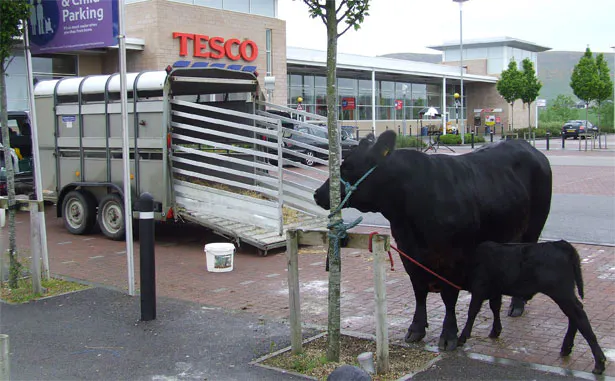
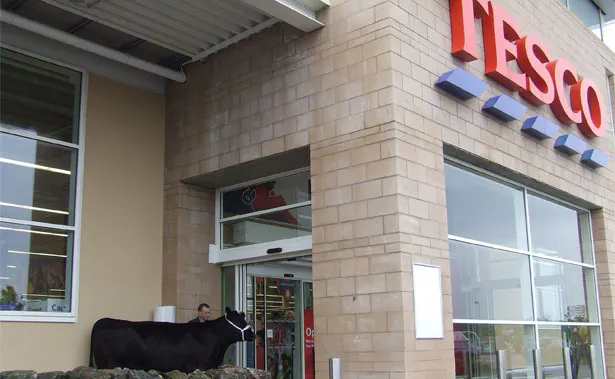
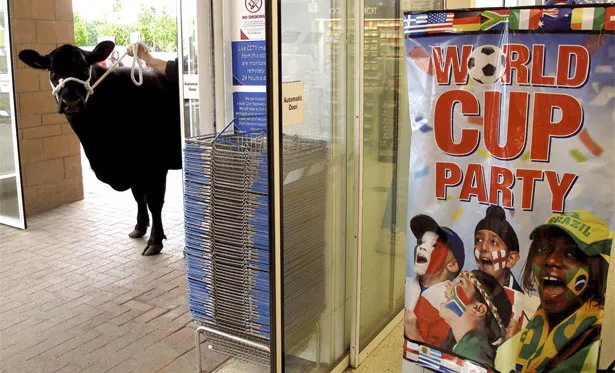
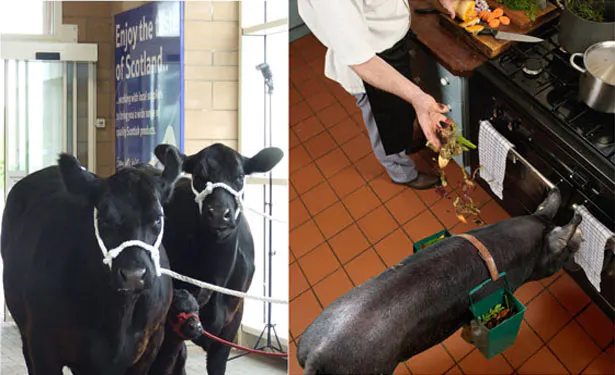
The knock-on effect of what we eat and how it reaches us has many financial and ethical implications. Every day we make decisions about which products we buy and the distance that our daily shopping travels to get to us. While Huntly is located in the rural heartland of Aberdeenshire, there are now no greengrocers trading. Lamb in the supermarkets mainly comes from New Zealand and local livestock from our fields is exported to Europe.
In the process of trying to lower carbon emissions on a global scale, decisions made on a local level are critical. In an exploration of food-mileage and carbon footprints, what are the personal and political relationships between people, countries, culture and food?
Through Stefanie’s research, she introduces subtle interventions in our routines: actions that provoke critical reflection, while being embedded in the mechanisms of daily life. Her activities are all in the public domain, which she transforms into an arena for discussion and topical analysis, with little division between art, life, and participation.
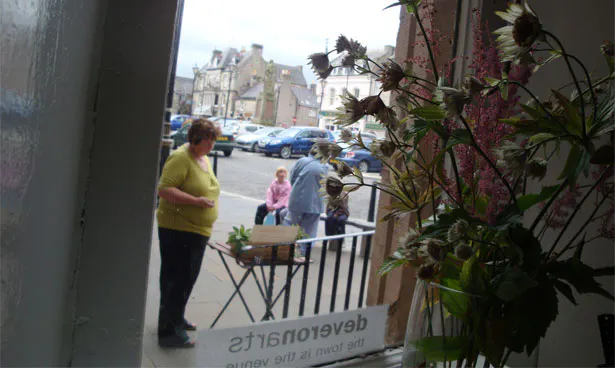
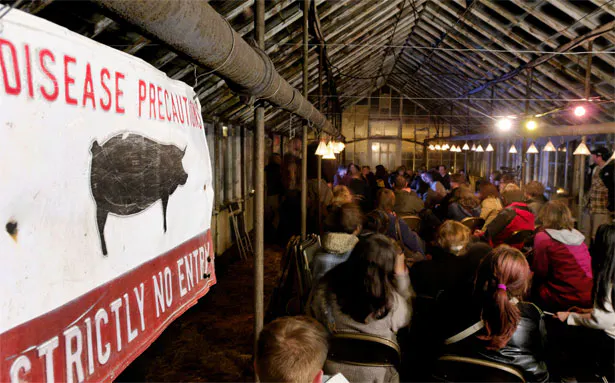
Stefanie engaged a variety of people in conversations concerning food production, distribution, consumption and, finally, destruction. Opening her studio as a grocery shop for bartering vegetables, she used the space as a venue for discussion about growing and eating local produce. For a month there was a vegetable-swapping stall on the square- if you had too many carrots, you might swap them for potatoes.
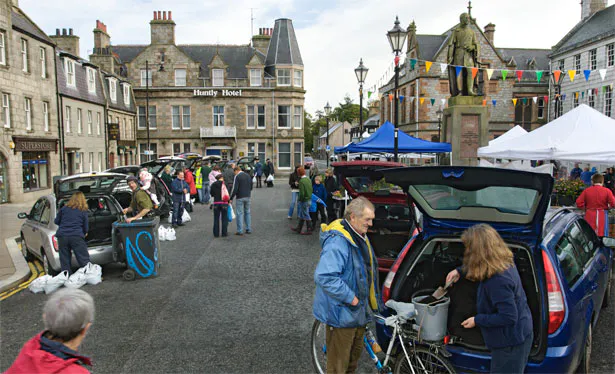
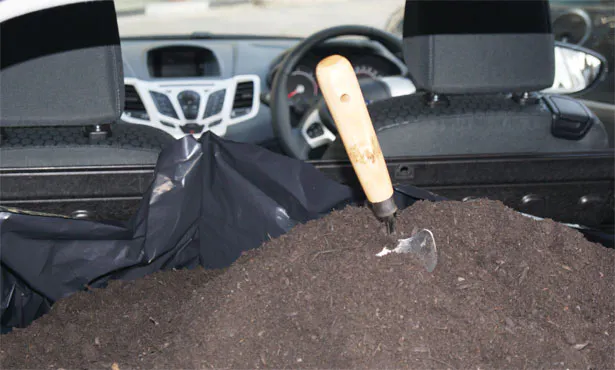
As part of her final event in Huntly, ‘compost action’, Stefanie filled the boot compartments of brand new cars (which had a significant carbon emission and cash value attached), with several tonnes of compost. She then invited people to come to the Farmer’s Market in the town square to take the compost away in reusable containers.