10 November 2026
In-Between Times
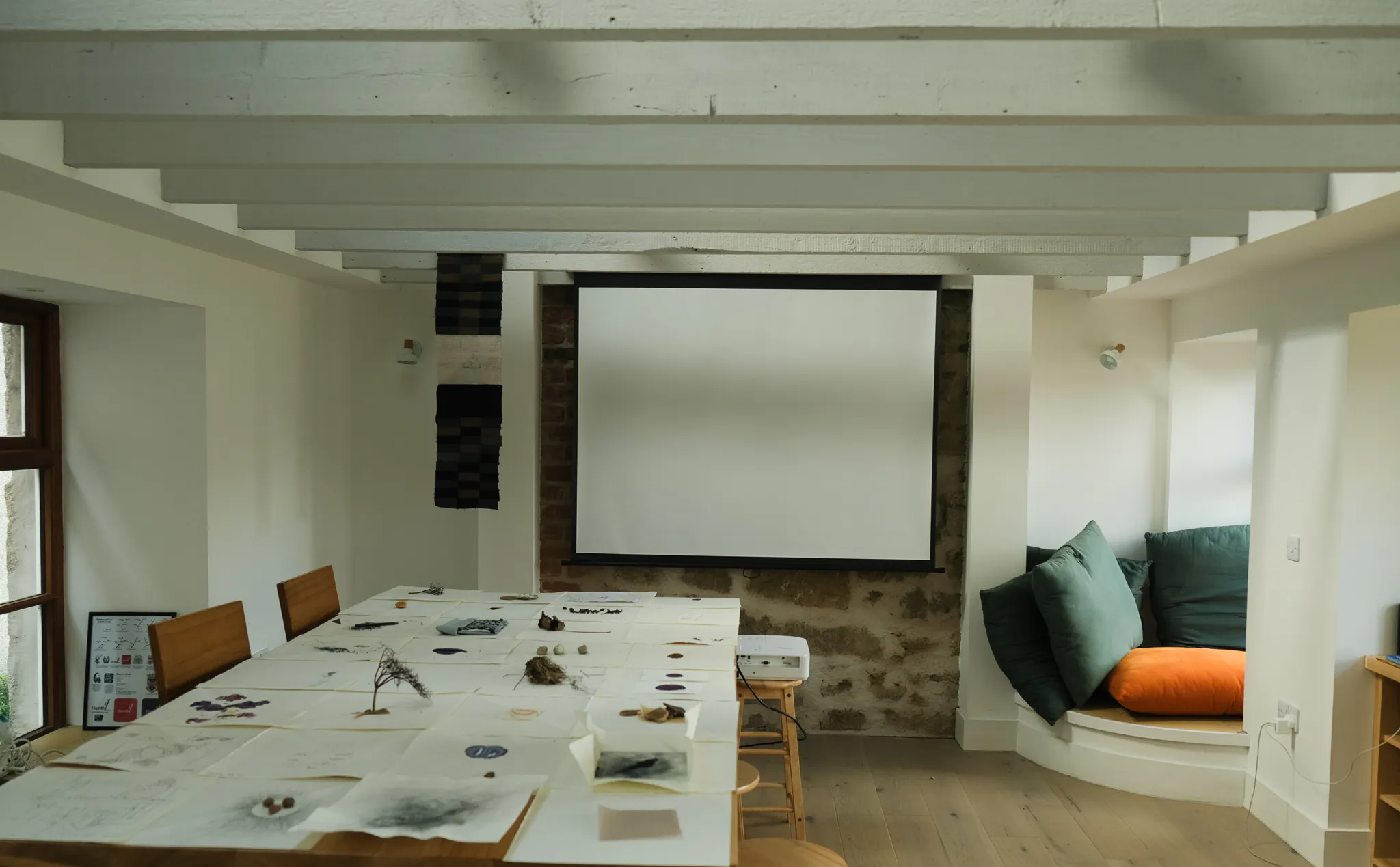
During a week in October 2026 artist Eleanor Goulding completed a self-supported residency at Deveron Projects as part of our Independent Residencies programme. It was a pleasure to host Eleanor and we are pleased to share this blog she wrote reflecting on her time in Huntly and how it helped develop her practice.
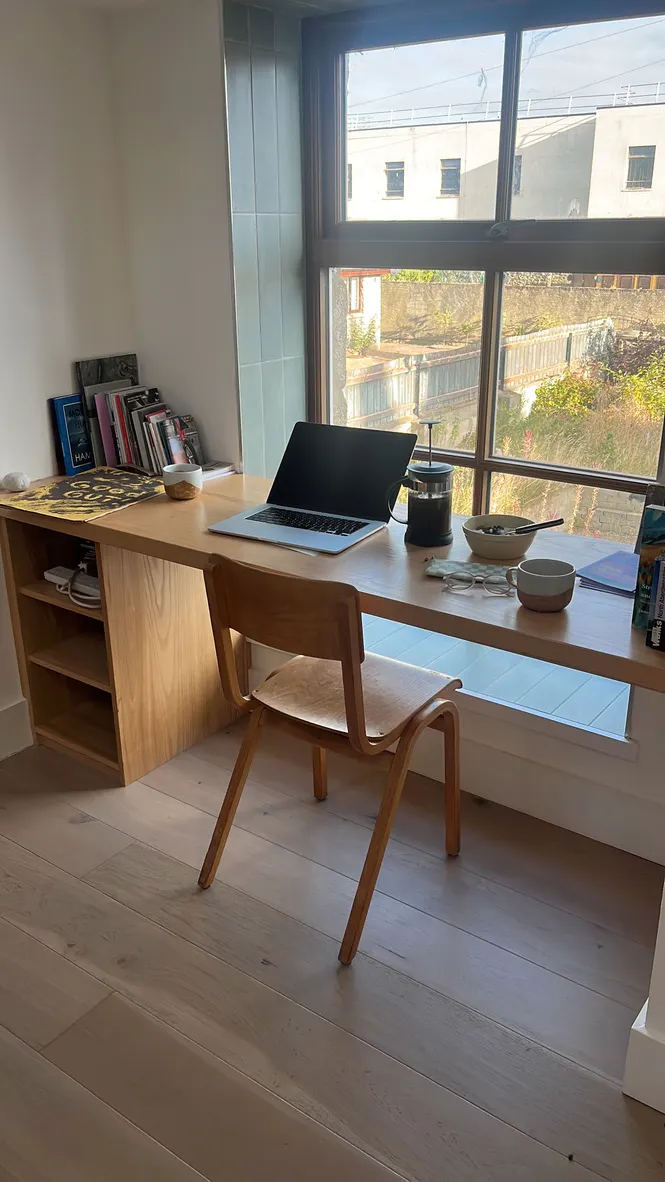
Independent Residencies offer artists dedicated research and development time, for short weekend stays to longer multi-week durations in our Artist’s House, a private flat with a well lit open-plan studio/living space. Artists are hosted by the Deveron Projects team and are offered curatorial and peer support for their work in a unique environment. Click here for more information about the Independent Residency programme and how to apply.
A Gentle Beginning
In October I spent a week on residency at Deveron Projects in Huntly, Aberdeenshire, supported by an Arts Council England-funded Research and Development grant. This gave me the time and space to explore material and ideas around neurodiversity and sensory experience, place, materials, and my deep, long standing connection to water. The opportunity allowed me to step away from a busy studio practice and make space to test new ways of working and to explore how these might be shared and communicated within a small trusted group of people. This blog documents some of these tests, experiments and discussions from my time working in the Artist’s House at Deveron Projects. And also how my work was developed in conversation with the geology and waterways of North East Scotland.
I arrived in Huntly at 11pm after a long train journey from Dorset, where Bruce Phillips, Deveron Projects’ Co-producer, was waiting to meet me. Although we had previously only met online, Bruce's warmth and care immediately put me at ease. He showed me into the Artist’s House, where I would stay for the week, and I instantly felt welcomed and at home.
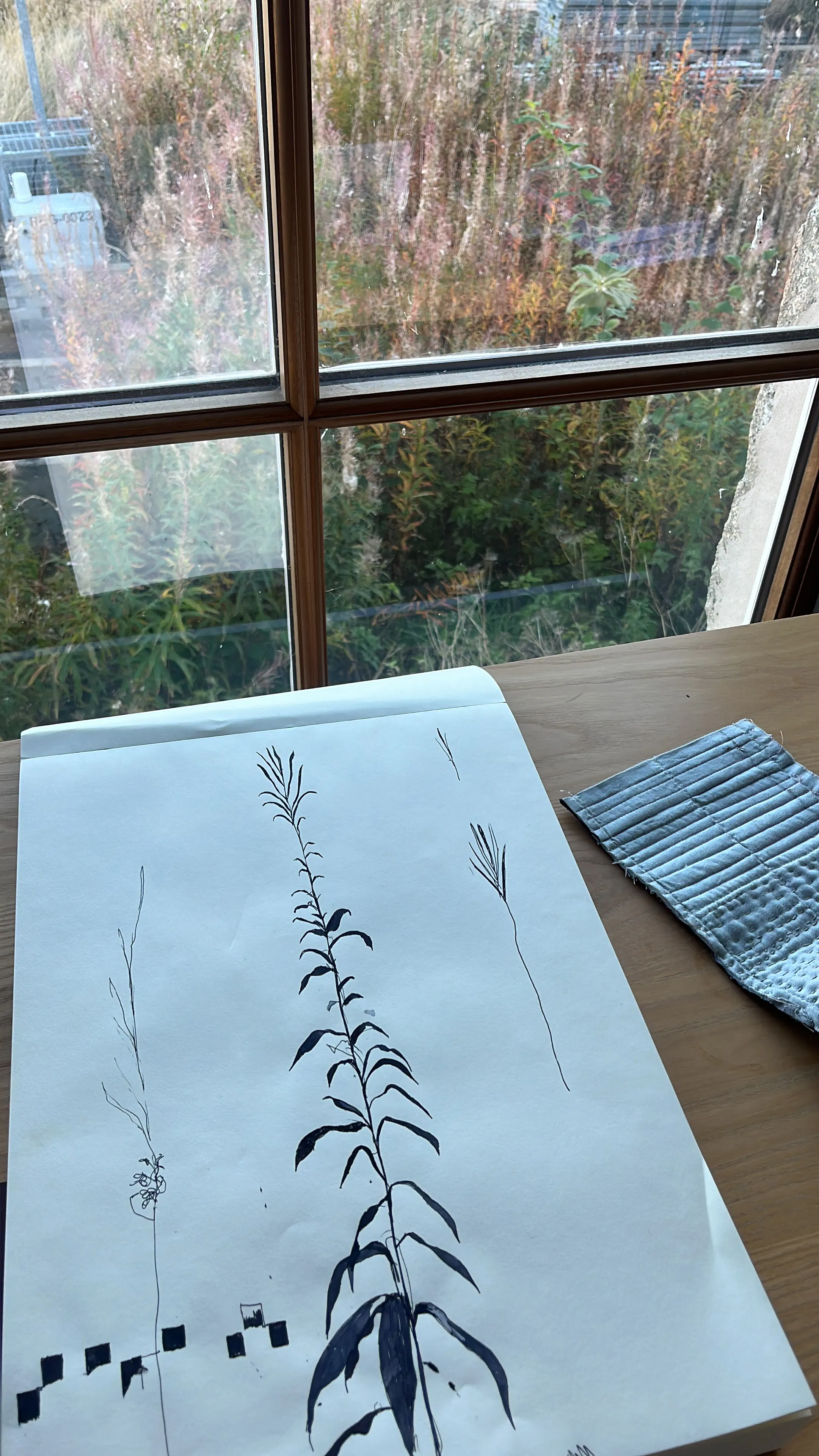
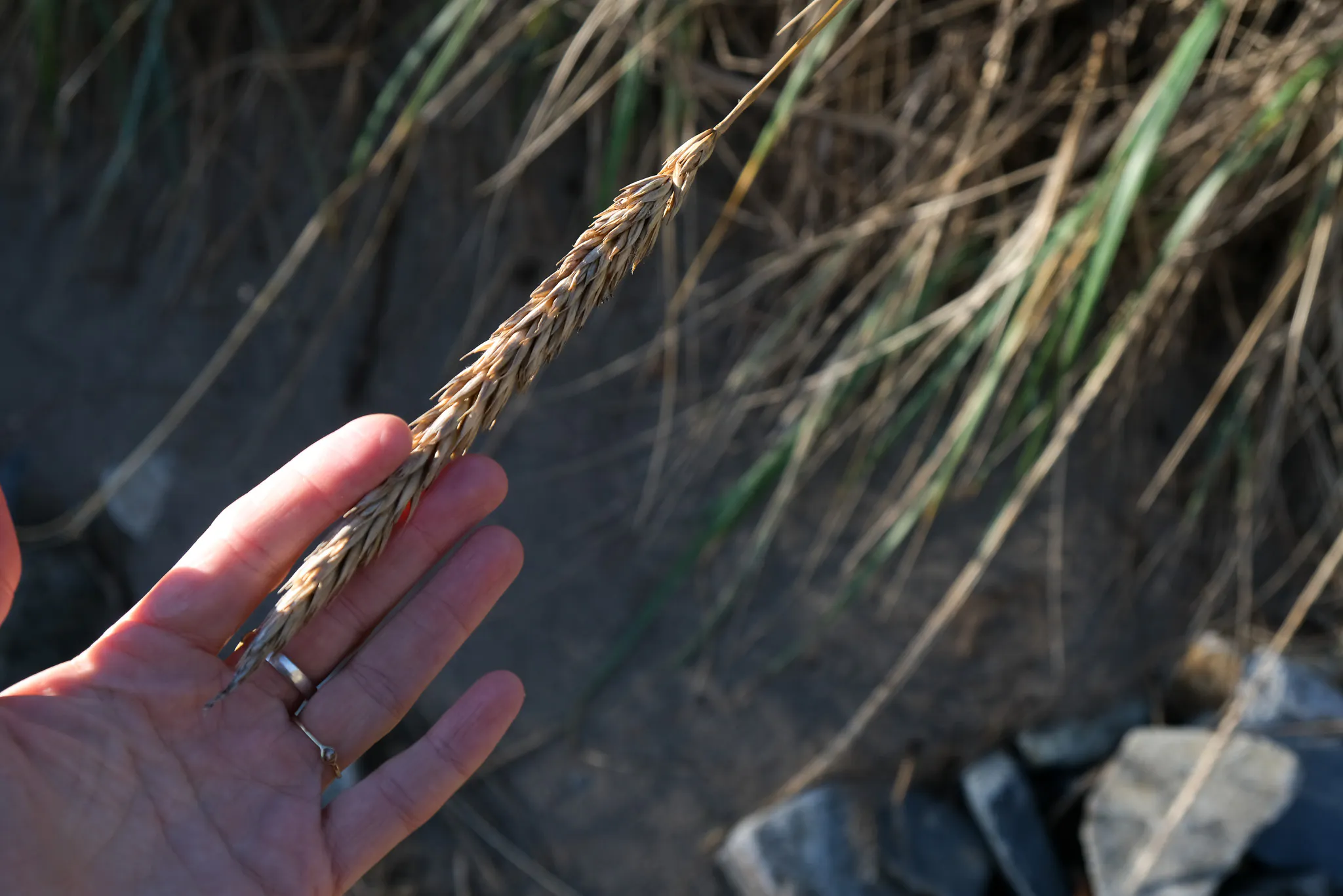
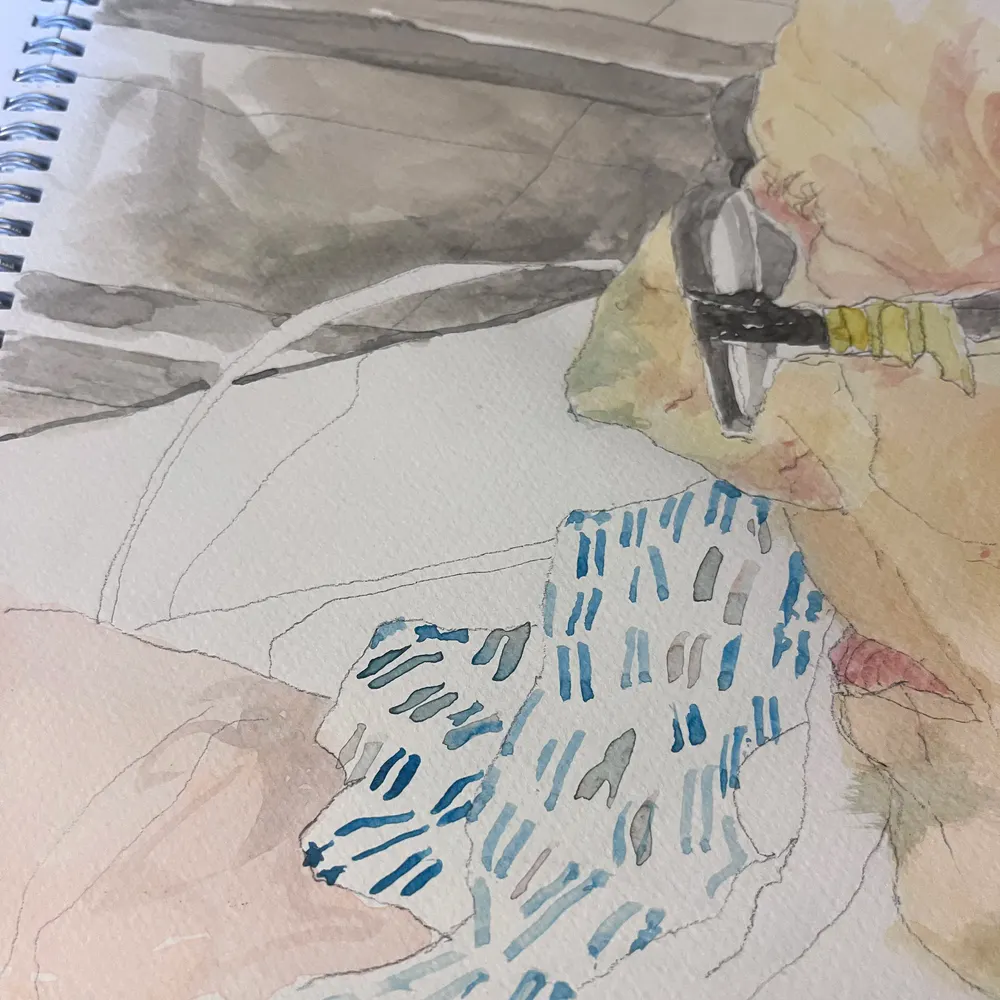
My first morning involved making a drawing of rosebay willowherb that was growing in the garden, followed by the lovely surprise of being offered it as a tea in the Deveron Projects office during my welcome meeting. A gentle beginning.
Tarlair Seapool and MacDuff
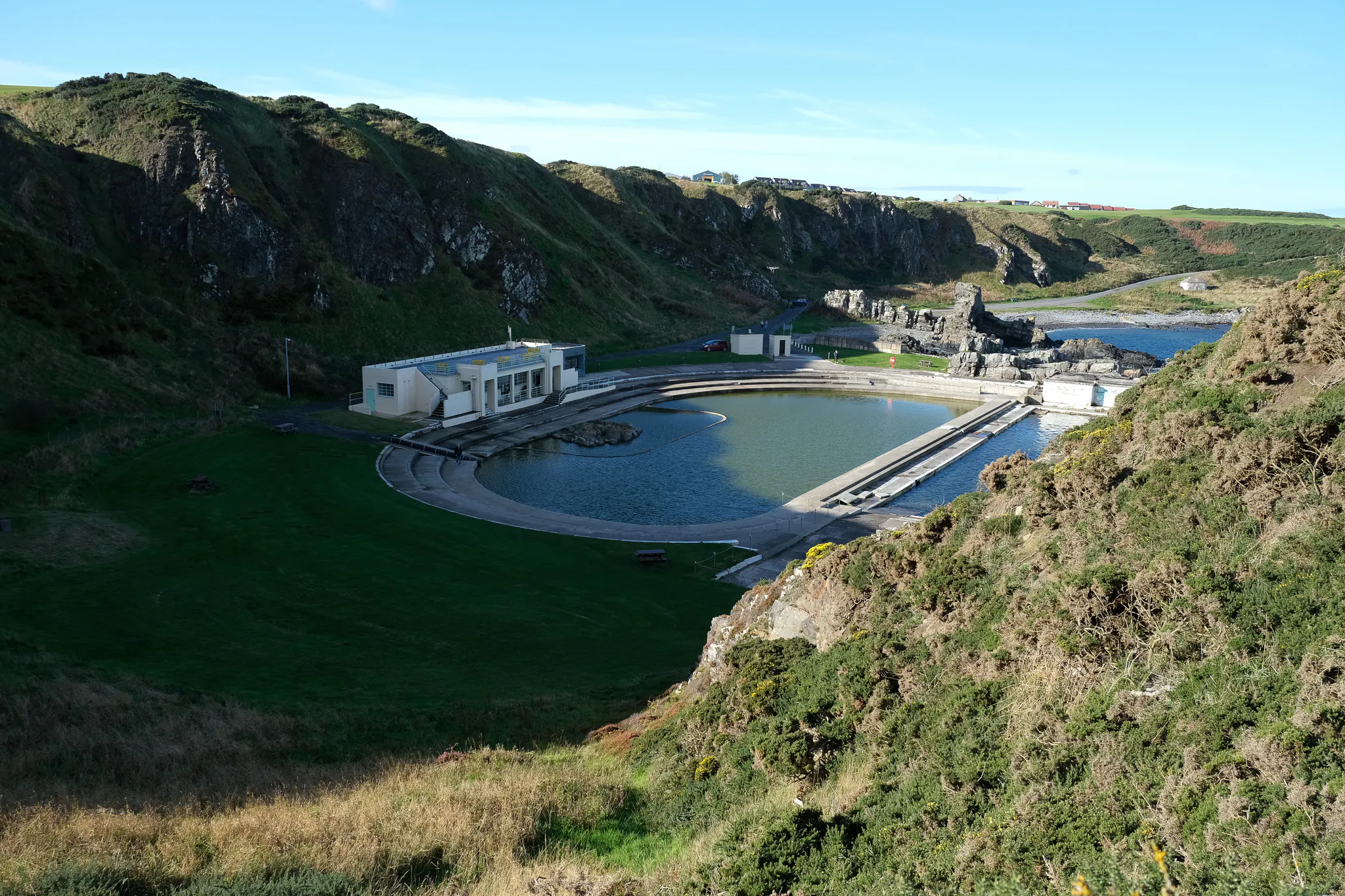
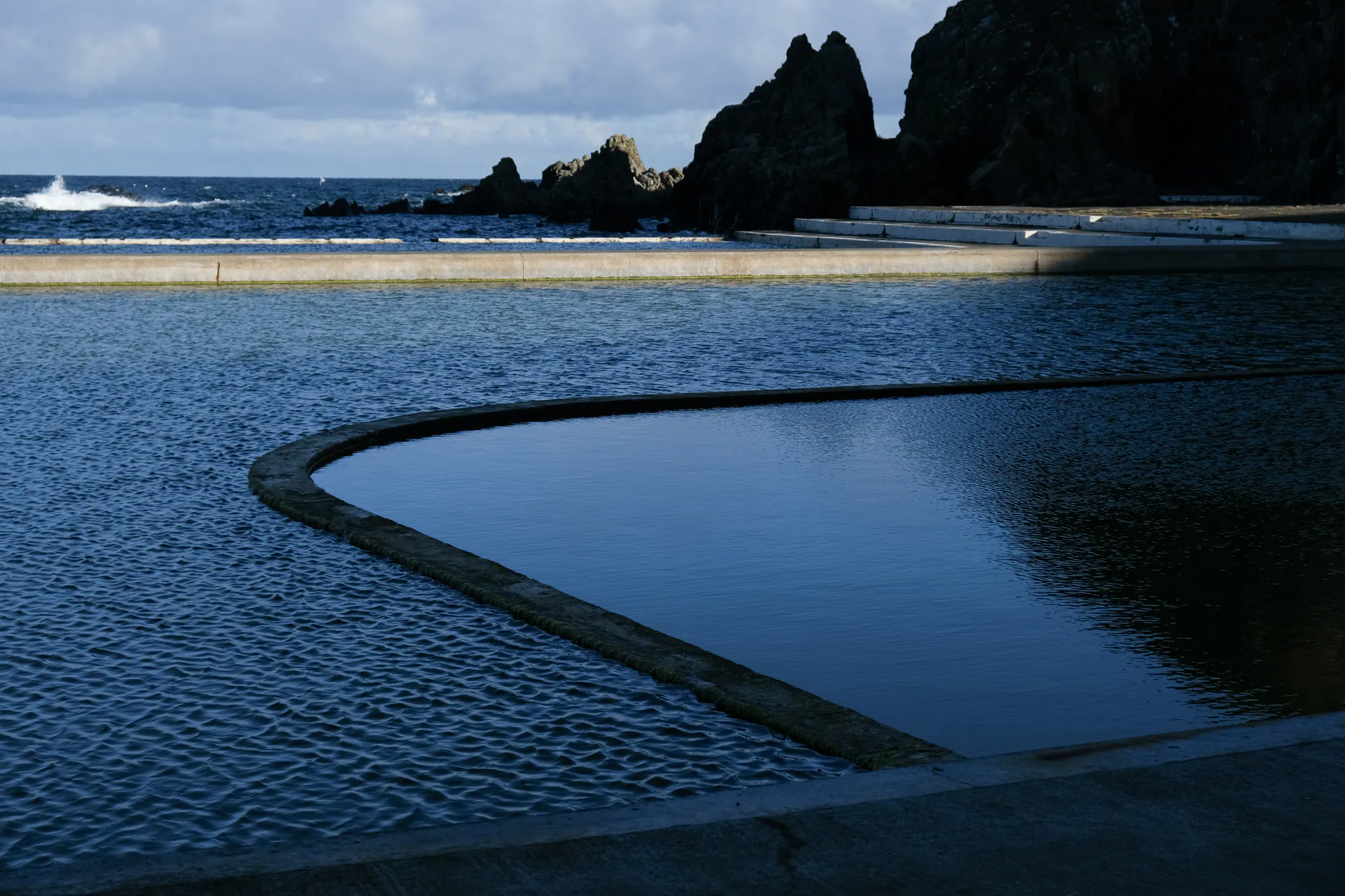
During my time in Huntly, I caught up with my dear friend harpist and writer, Kirsty Whatley, who took me to visit the spectacular Tarlair Sea Pool. Tarlair is a very special place, with its striking sea pool and beautifully restored Art Deco café, set on the coast at Macduff, where the Deveron River meets the Moray Firth, between the twin towns of Banff and Macduff. We walked up over the natural bowl of cliffs that envelop the sea pool and along the cliff path, looking out across a steely blue-green sea. To the north, the next land was Orkney, and beyond that, Fair Isle.
Since moving to North East Scotland Kirsty has been establishing herself as Creative Coach and Therapeutic Writing Guide. I have been working with Kirsty as a coach as part of my ongoing research and development project and it was wonderful to be able to meet in person and discuss themes and ideas.
Studio reflections, MacDuff
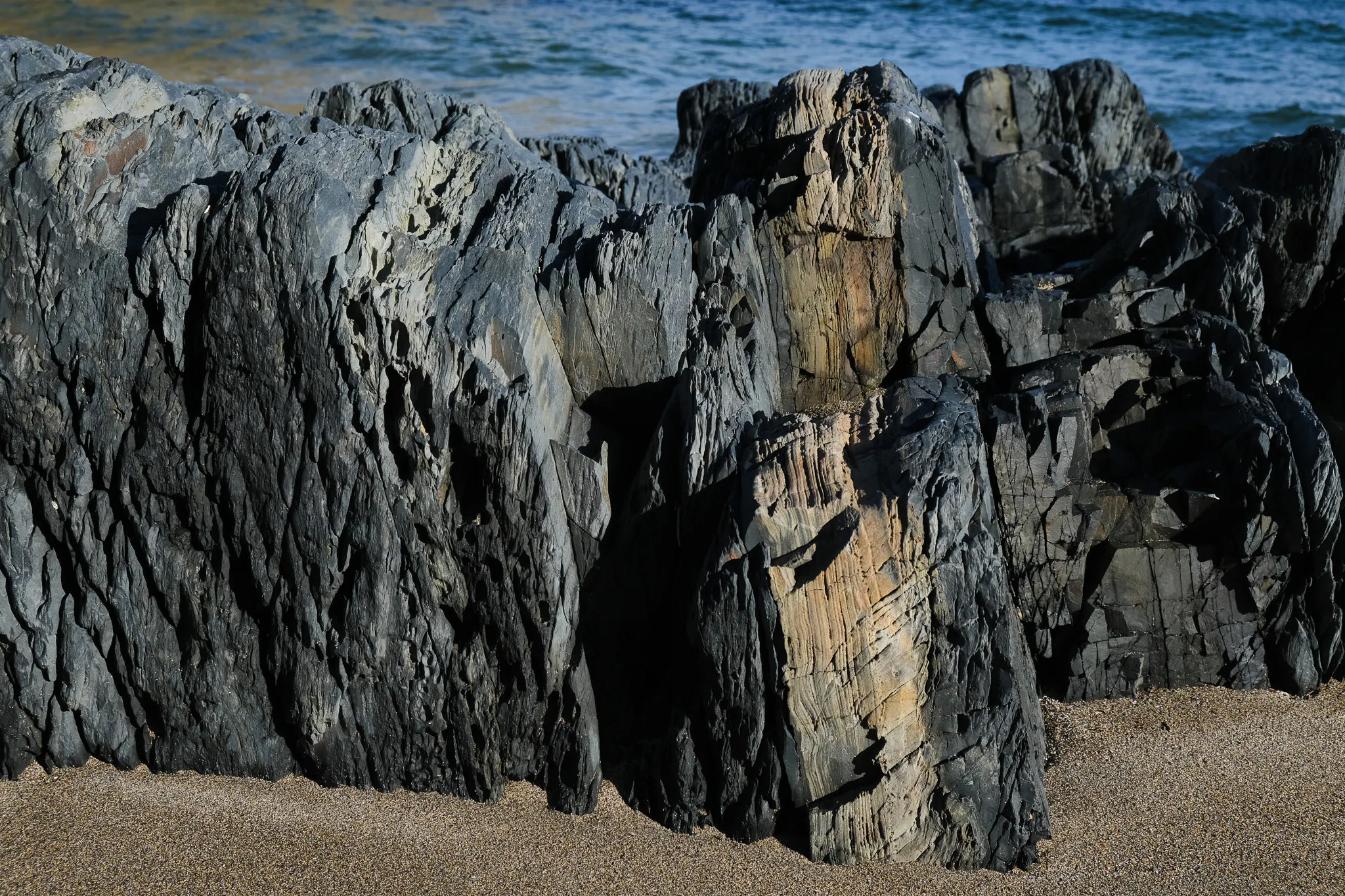
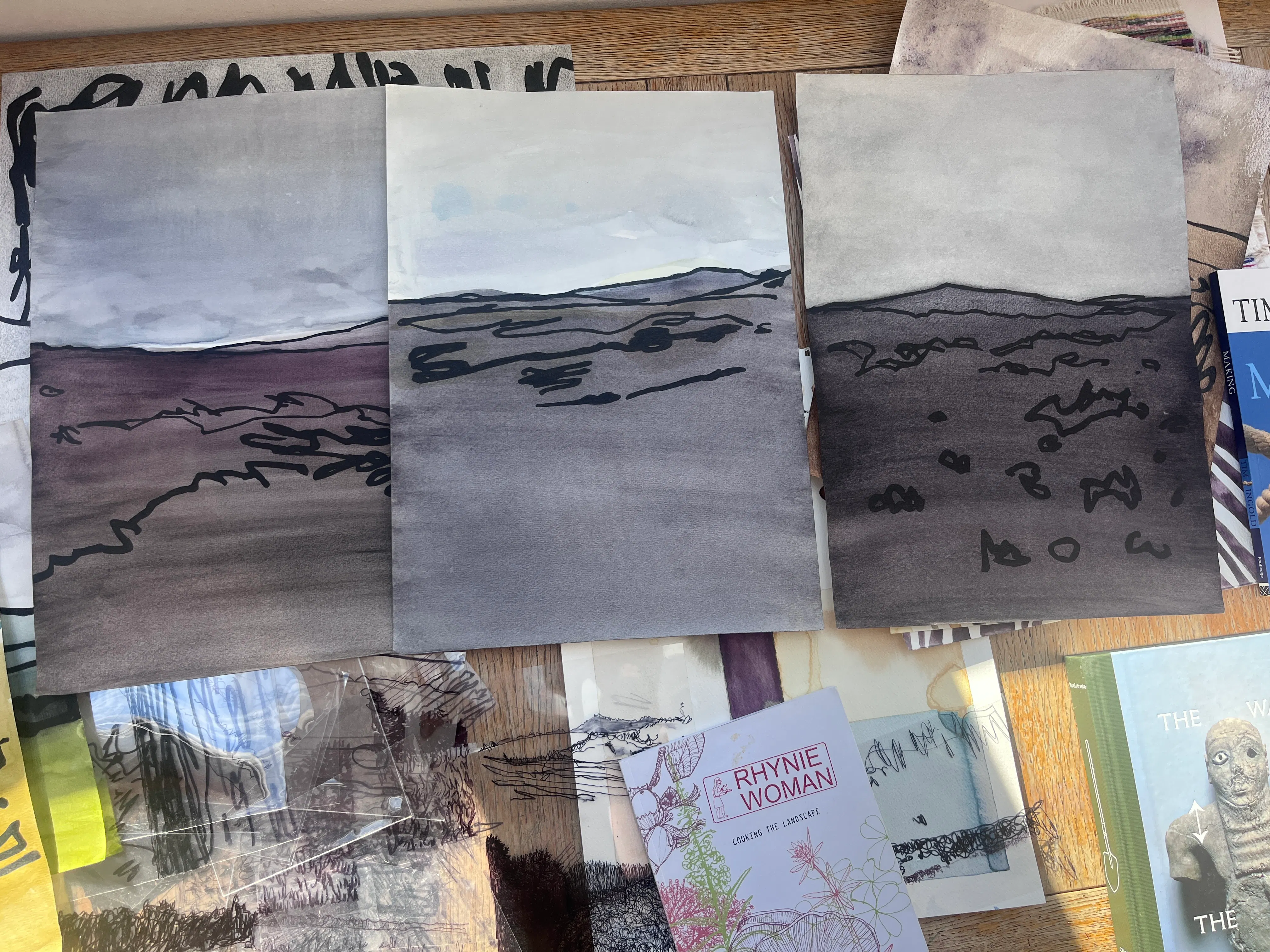
Back at the Artists House thinking about the layers of water and wind, black granite rocks, and the steely blue-green sea stretching towards the northern horizon.
In-between times
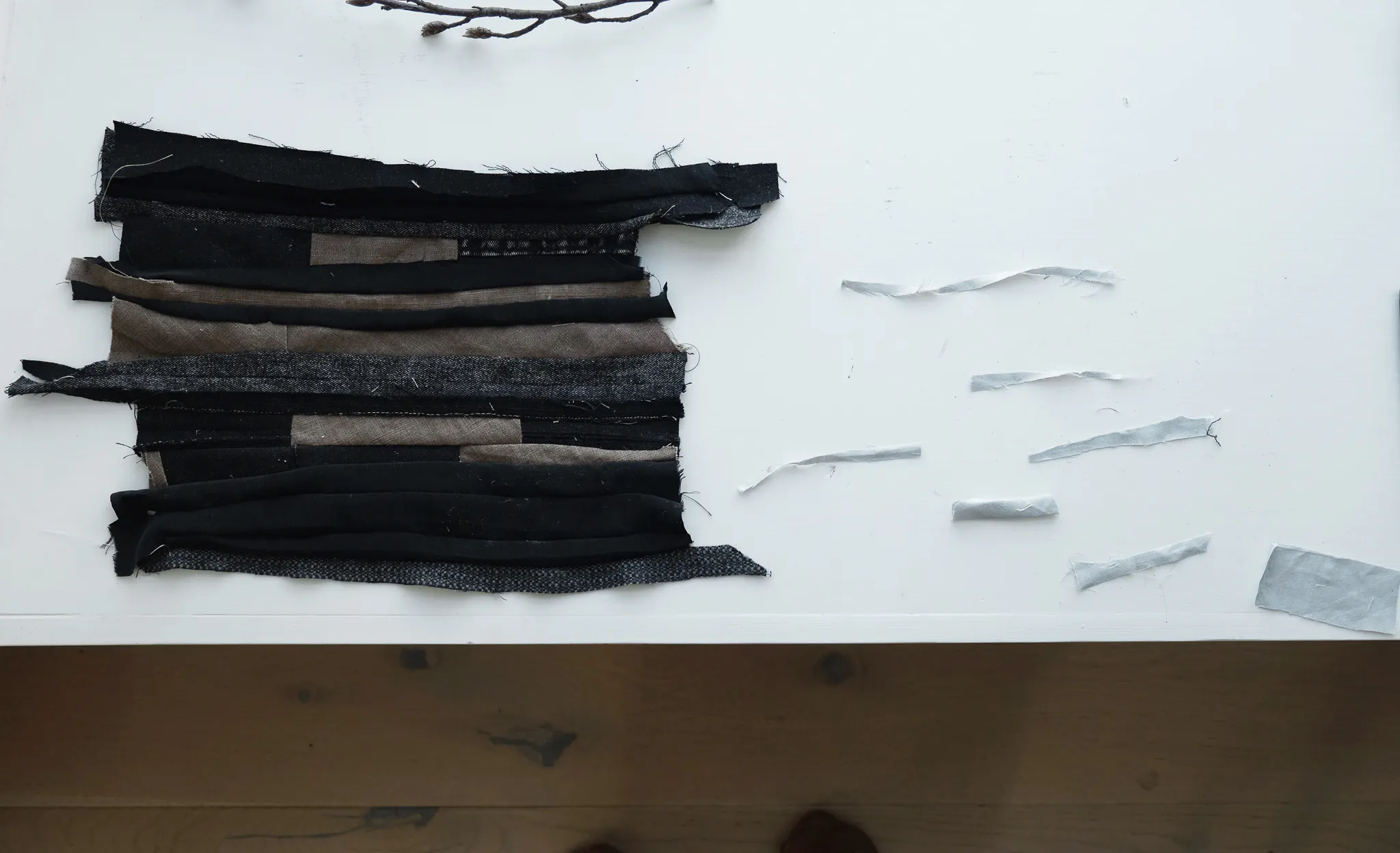
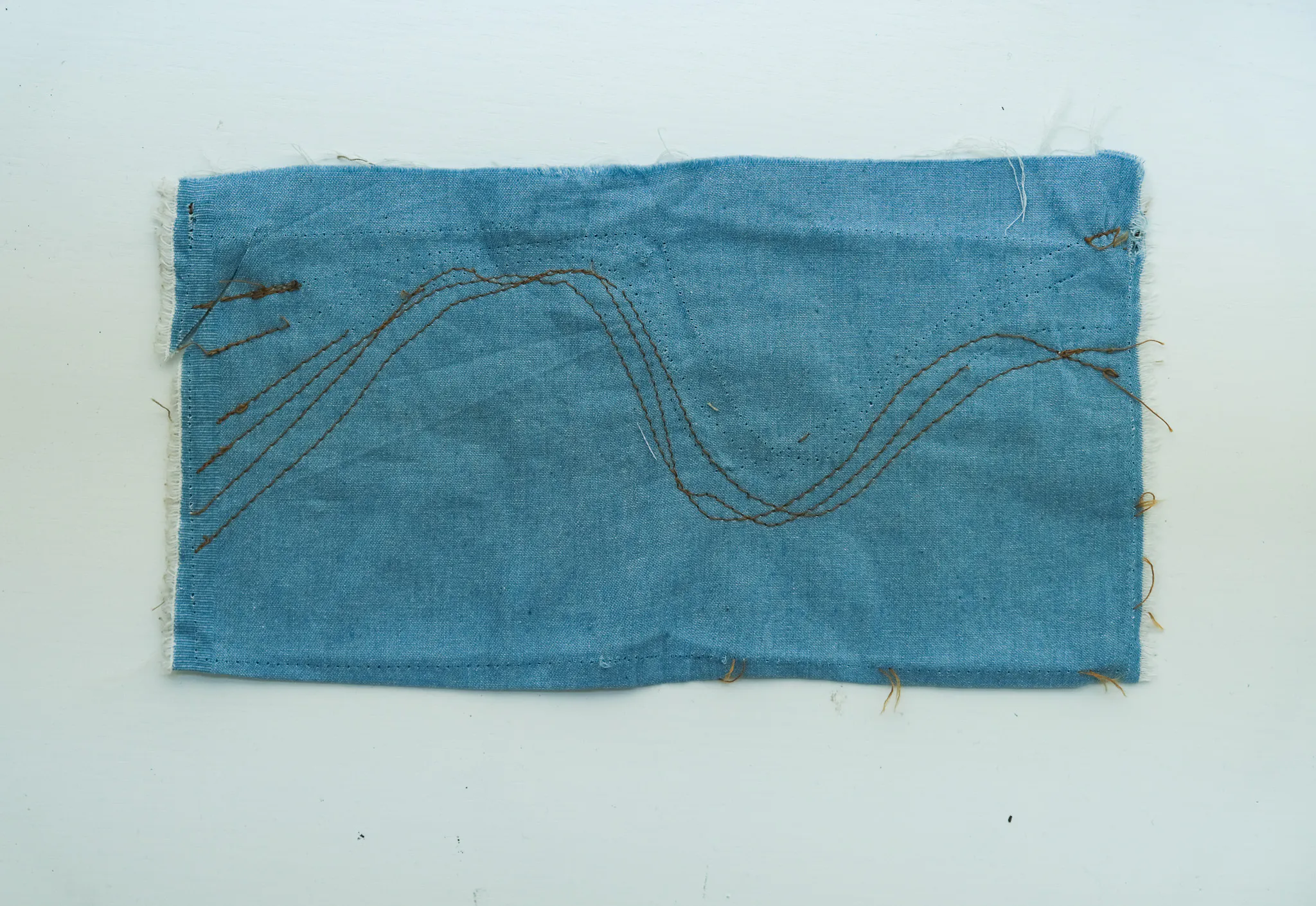
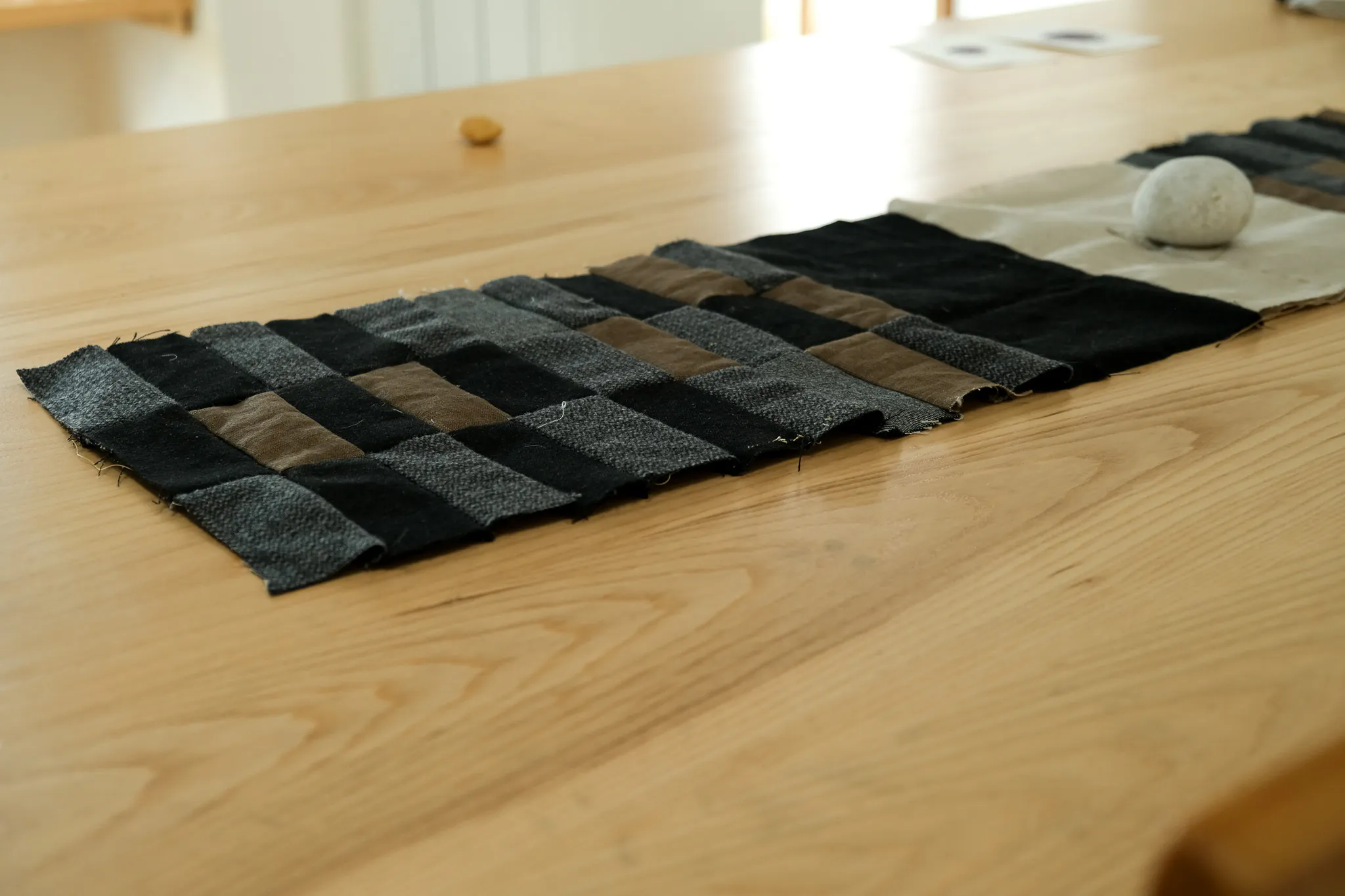
At the Artist’s House, I explored thinking through making and letting the rhythmic sound of a sewing machine carry my mind to new places. I made samples, experiments and tests using pieces of fabric that have been in my sewing bag for what feels like forever. Bruce also invited me to use a box of fabric leftover from a previous residency and the use of Deveron Projects’ sewing machine. Drawing and stitching with materials that were available to me, I drew on the colours I had observed in the coastal and river environments around Huntly and the Moray Firth.
The rhythmic, repetitive action of sewing allowed me to think through the process of making, exploring what I am doing when I am not thinking about a preconceived idea or what an outcome might be. The colours, textures and qualities of the materials became a way of immediately responding to my surroundings, allowing observations and ideas to drift into the work through touch, movement and repetition.
Embodying this way of working reminded me of the composer Sir Edward Elgar who wrote part-songs throughout his working life, as a form of relaxation while working on large-scale pieces or whilst on holiday. For instance, his song The Prince of Sleep evokes a dream state and a drifting quality that reflected his deep connection to the natural world.
It is these ‘in-between times’ that can become spaces of deep rest and experimentation, whilst still allowing the mind to remain in motion. Anne Carson suggests that to think is to be ‘moving the mind’ – it is what keeps us alive.
Working in this way involves trust, listening and responding to the unknowns as they emerge. Rather than knowing in advance what I want to make, I allow myself to be guided by the material, the rhythm of the sewing machine and the thoughts that arise through the act of making. It requires a willingness to remain open, to follow unexpected directions and to allow the work to unfold in its own time.
This feels like a crucial distinction within my practice. In a busy studio environment, much of my time is directed towards fulfilling briefs and working towards specific outcomes.
Working this way allows an open-ended thinking space and an ability to absorb and digest reading and research. A slowing down, responsive place, following my curiosity and discovering possibilities that might not otherwise have emerged.
Reflecting on Film
On my final evening at the Artist’s House, I invited a small group of friends to share dinner, a test screening of my short film Cormorant (2026), and a discussion around the work. We also watched The Otter (silent, 8 min, 1912) produced by Charles Urban – a pioneering early nature film shot in Aberdeenshire featuring scenes of an otter swimming underwater.
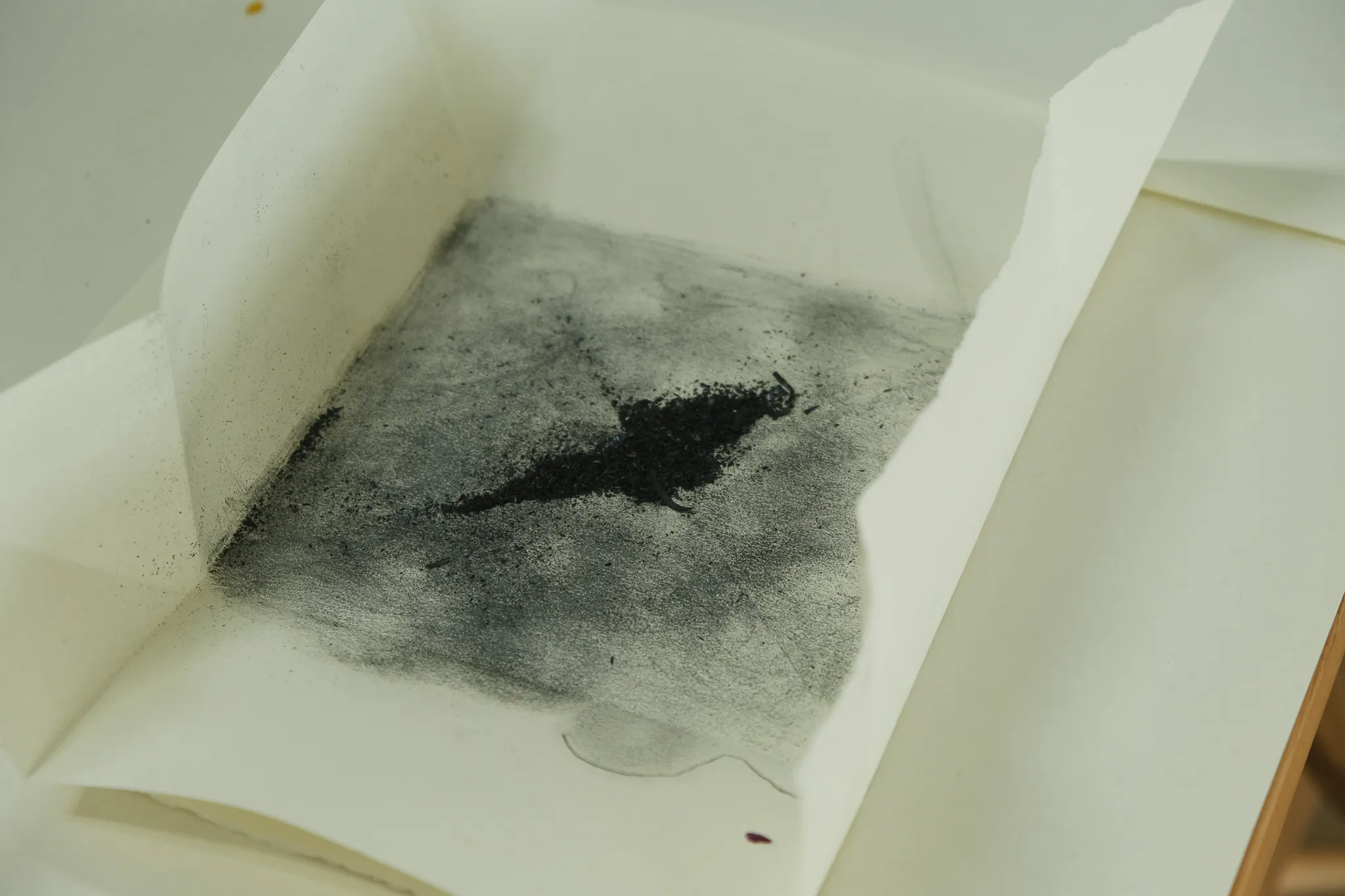
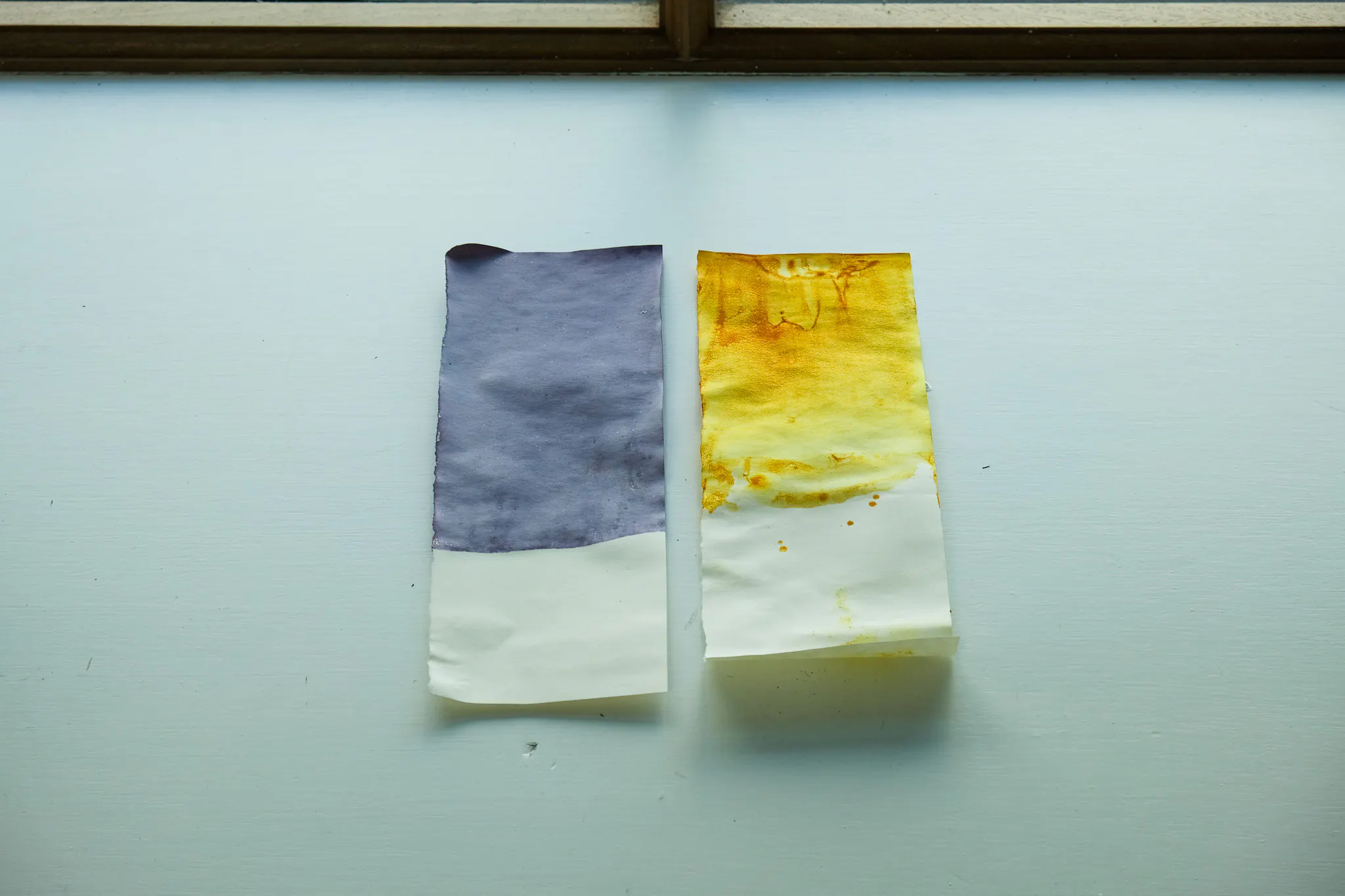
I shared the material tests and experiments I had made throughout the week, and prepared an elderberry tonic using berries collected on a walk earlier that day. We shared a meal around the table, with everyone invited to draw, eat, or bring along some work to talk about. It was a happy and thoughtful evening of shared connection, conversation and exchange.
Cormorant was my contribution to the One Day Symposium – PACING & SPACING: Crip Process, Form and Reception in Art and Writing as part of Becky Beasley’s touring exhibition A Gentle Man. I wasn’t able to attend the symposium in Derby and instead I watched the live stream of the day from my home. I screened Cormorant at the Artist’s House to explore ways of developing the work further. This gave me the opportunity to open up a conversation around the film’s progression, to hear how others experienced and interpreted it, and to consider where the work might go next.
Studio Visit
I spent a day visiting the studios of Huntly-based artists Daisy and Jason Williamson. We talked about drawing as a way of being in the world: looking, observing, responding and becoming attuned to a place. Our conversations wandered through archaeology, Orkney and the polar north, weaving and making and Jason’s work as Exhibition Manager at the Aberdeen Archives, Gallery and Museum.
Daisy and Jason had just returned from a foraging walk, bringing with them beautiful, jewel-like wild cowberries (wild cranberries). Daisy has been experimenting with automatic drawing. I was fascinated by the relationship she created in her work between the immediacy of quick mark-making and the slower, time-based process of translating these gestures into weaving. I was also impressed by Daisy’s studio space and how she has created a place of immense calm and inspiration.
Jason shared sketchbooks he has been keeping since childhood. Over many years, he has developed remarkable hand-eye coordination, and his drawings offer a fascinating record of a life spent looking closely at the world. They move between the heartbreaking and the humorous, from intimate observations of his father towards the end of his life in a care home, to a series of drawings documenting navigation buoy markers at sea.
Looking through Jason’s sketchbooks, I was reminded of David Hockney in the honesty and fluidity of his line, and in the way he observes the world around him in all its forms. His drawings feel immediate and unguarded, capturing not only what he sees, but the experience of looking itself.
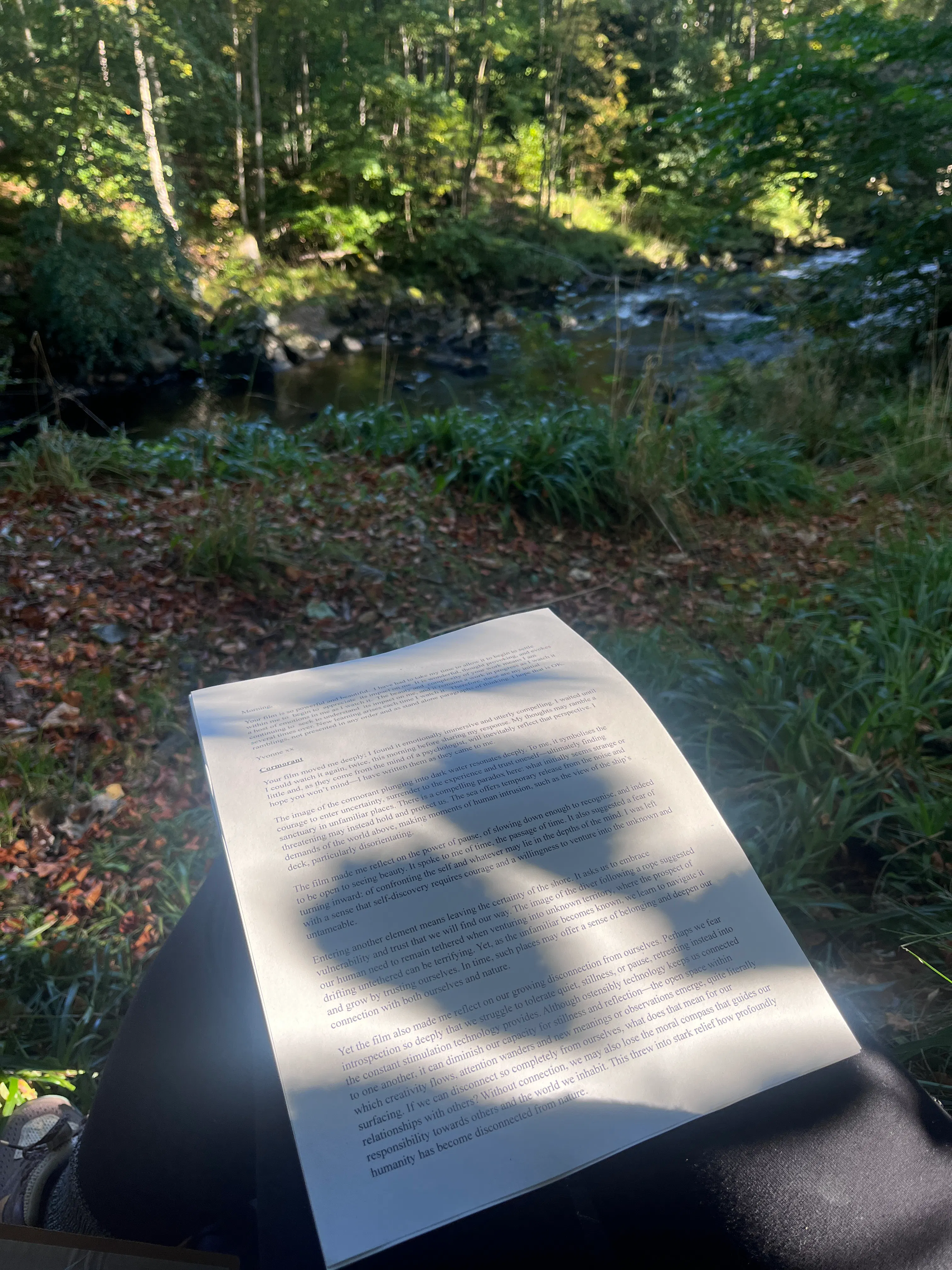
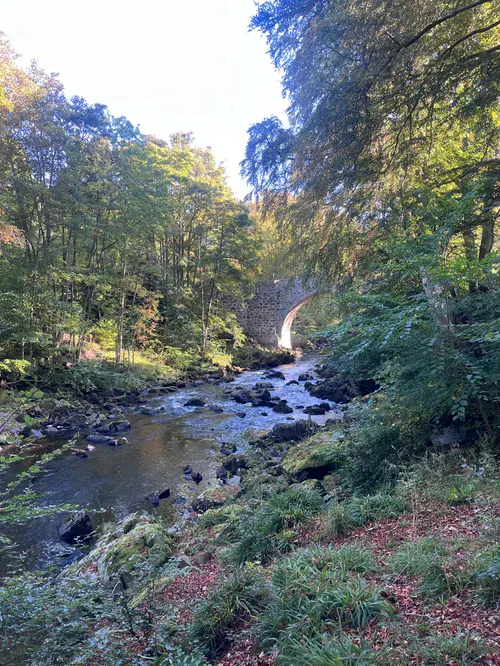
Reflections and reading next to the River Deveron
Huntly Development Trust
It would be impossible to talk about Huntly without recognising the outstanding social and community enterprise that is Huntly Development Trust. Established in 2009, the Trust works with local people and organisations to create opportunities and build a resilient, inclusive and enterprising community. The Trust’s work spans town centre regeneration, heritage, community-owned renewable energy, sustainable travel, health and wellbeing, and the development of shared spaces for people to meet, learn and connect.
What feels particularly significant is the Trust’s commitment to shaping Huntly’s future through local participation, collaboration and a strong sense of collective ownership. It is an inspiring example of how community-led initiatives can nurture not only the physical fabric of a place, but also the relationships, resources and opportunities that enable a community to thrive.
I was fortunate to have a full tour with the Trust’s Director, Donald Boyd, visiting renovated community buildings and even stepping inside the community-owned wind turbine. To my mind, Huntly Development Trust represents a gold-standard example of how a community can work collectively to build a more inclusive and sustainable future, rooted in local participation, shared resources and a strong sense of responsibility for place.
Thank you
I am so grateful for the warmth and support I received during this residency. If there was one word I would use to describe my experience at Deveron Projects, it would be supported. In particular, I’d like to thank Bruce Phillips and the Deveron Projects team for working so hard to make it possible for artists to come and work without barriers, and for their wonderful instinct to say “yes” to everything. Bruce’s thoughtfulness and care in engaging with the themes within my work have been particularly helpful and I’m deeply grateful for the attention and understanding he has brought to it. Kirsty Whatley, for being the best friend and coach I could ask for, and for bringing her 13-year-old daughter to the screening. Her comments remain my favourite. Donald Boyd, perhaps the most community-minded person I have ever met. And Daisy and Jason Williamson — our day of discussions will stay with me for a long time. Thank you, too, for introducing me to Aberdeen Archives, Museum and Art Gallery and to the work of Tim Ingold. Finally, thank you to Arts Council England for awarding me a Research and Development grant and making this work, and the time and conversations it has enabled, possible.
This blog was first published on Eleanor’s website click here to visit her site and to learn more about her practice.